When bread maker dough fails to rise, the most common culprits are inactive yeast, incorrect liquid temperature, or imprecise ingredient measurements. Addressing these issues with five quick fixes, such as verifying yeast vitality and optimizing liquid temperature, can ensure your next loaf achieves its full, glorious potential. A dense, flat disc instead of a fluffy loaf is a common frustration for home bakers, but understanding the science behind successful bread making can resolve most problems.
Why Your Bread Maker Dough Might Not Be Rising
Before diving into solutions, it’s helpful to understand the core reasons your dough might be staying stubbornly flat. The rising process in bread making is a delicate balance of ingredients, temperature, and time, primarily orchestrated by yeast. When this balance is disrupted, the yeast struggles to produce the carbon dioxide gas needed to make the dough expand.
Inactive or Expired Yeast
Yeast is a living organism, and its vitality is paramount to successful rising. If your yeast is old, has expired, or has been stored improperly (e.g., in an unsealed container or warm environment), it may no longer be active enough to leaven your dough effectively. This is often the primary suspect behind a flat loaf. For see our home kitchen recommendations on this site.
Incorrect Liquid Temperature
Yeast is highly sensitive to temperature. Water that is too hot will kill the yeast, rendering it useless, while water that is too cold will inhibit its activity, causing a sluggish or non-existent rise. Striking the right temperature balance for your liquids is crucial for activating the yeast without harming it.
Imprecise Ingredient Measurements
Even small deviations in ingredient quantities can significantly impact your dough’s rise.
- Too Little Yeast: Simply put, if there isn’t enough yeast, there won’t be enough carbon dioxide produced for a substantial rise.
- Too Much Salt: Salt is a yeast inhibitor. While necessary for flavor and controlling fermentation, too much salt can effectively “kill” the yeast or drastically slow its activity. Many bread makers recommend sprinkling salt away from the yeast in the pan.
- Not Enough Sugar: Sugar acts as food for the yeast. Without sufficient sugar, the yeast lacks the energy to produce gas and rise the dough.
- Incorrect Flour/Liquid Ratio: Too much flour or too little liquid can result in a dry, dense dough that lacks the elasticity needed to expand. Conversely, too much liquid can make the dough too slack to hold its structure. Using a kitchen scale for accuracy can prevent many measurement-related issues.
Environmental Conditions
The environment surrounding your bread maker can also play a role. A cold kitchen or drafts can slow down the yeast’s activity during the proofing cycles, leading to a poorer rise. Yeast thrives in warm, consistent temperatures.
Flour Type and Age
|
Our Picks for the Best Bread Maker in 2026
As an Amazon Associate I earn from qualifying purchases.
|
||
| Num | Product | Action |
|---|---|---|
| 1 | 25-in-1 Bread Maker Machine with Automatic Dual Dispenser, 2LB Stainless Steel Breadmaker with Gluten-Free, Dough, Jam, Yogurt etc Settings, Silver |

|
| 2 | Rosewill 25-in-1 Automatic Bread Maker Machine with 3 Loaf Size up to 2 Lb, 700W High Power Dual Heater Bread Maker with BPA-free Nonstick Coating Pan, Max 15 Hours Delay Timer, Low Noise - Gray |
|
| 3 | MERIOR 25-IN-1 Bread Maker with Visible Lid | 2lb Automatic Machine, Auto Nut Dispenser, 13-Hour Delay Timer, One-Touch Control & Recipes – Easy Operation, High Success for Homemade Bread |
|
| 4 | Cuisinart Bread Maker Machine, Stainless Steel Automatic Bread Machine with 12 Menu Options, 3 Loaf Sizes up to 2 Lb., 3 Crust Colors, Removable Nonstick Baking Pan & Kneading Paddle, CBK-110NAS |
|
| 5 | 2LB Bread Maker Machine, OSIPOTO 17 in 1 Automatic Stainless Steel Bread Machine, Non-stick, Beginner-Friendly Controls, 15 Hour Timer, Easy to Clean Low Noise, High Success Rate for Homemade Bread |
|
| 6 | Cuisinart Bread Maker Machine, Stainless Steel Convection Bread Machine with 16 Menu Options, 3 Loaf Sizes Up to 2 Lb., 3 Crust Colors, Includes Measuring Cup, Spoon & Kneading Hook, CBK-210 |
|
| 7 | Zojirushi BB-PDC20BA Home Bakery Virtuoso Plus Breadmaker, 2 lb. loaf of bread |
|
| 8 | Elite Gourmet Programmable Bread Maker, 2 lb Loaf, 3 Sizes, 19 Presets incl. Gluten-Free, Dough & Jam, Delay Timer, Mint |
|
| 9 | Bread Maker, 2.2LB 16-in-1 Bread Machine, Automatic Bread Maker Machine with Nonstick Ceramic Pan & 15H Timer & 1H Keep Warm for Beginner, Breadmaker with Gluten-Free, French, Yogurt, Recipe |
|
| 10 | Elite Gourmet Programmable Bread Maker, 2 lb Loaf, 3 Sizes, 19 Presets incl. Gluten-Free, Dough & Jam, Delay Timer, Black |
|
The type of flour you use matters. Bread flour has a higher protein content, which forms stronger gluten networks essential for trapping gas and creating a good rise. All-purpose flour might yield a softer loaf but sometimes struggles to achieve the same height. Old flour can lose some of its gluten-forming properties, contributing to a lackluster rise.
5 Quick Fixes for Non-Rising Bread Maker Dough
When your bread maker dough isn’t rising, these five quick fixes are your go-to solutions, addressing the most common issues to get your loaves back on track.
1. Verify Your Yeast’s Vitality
Before you blame anything else, always check your yeast. It’s the engine of your bread’s rise. If your yeast is expired, discard it and buy a fresh package. Even within its expiration date, yeast can lose potency if not stored correctly.
To test your yeast’s activity, perform a simple “proofing” test:
- Combine ½ cup of warm water (around 100-115°F or 38-46°C) with 1 teaspoon of sugar in a small bowl.
- Stir in 1-2 teaspoons of your yeast.
- Let it sit for 5-10 minutes. If the yeast is active, it will foam up significantly, creating a thick, frothy layer on the surface. If there’s no foam or very little activity, your yeast is likely dead or inactive, and it’s time for a fresh batch. > “Inactive or expired yeast is the number one reason bread dough fails to rise. A quick proofing test can save you a lot of wasted ingredients and frustration.”
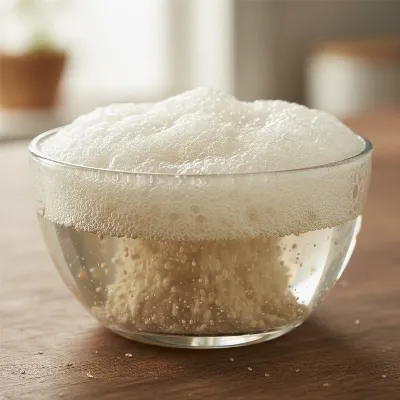 Active yeast bubbling in warm water with sugar, showing successful proofing for bread making
2. Optimize Liquid Temperature
The temperature of the liquid you add to your bread maker is critical for yeast activation. Water that is too hot will kill the yeast, preventing any rise, while water that is too cold will merely put the yeast to sleep, leading to a very slow or non-existent rise.
The ideal temperature range for water to activate yeast is typically between 105°F and 115°F (41°C and 46°C). However, some bread machine manufacturers recommend using room-temperature liquids (around 70-80°F or 21-27°C) because the machine’s preheat cycle will gently bring the ingredients to the optimal temperature. Always consult your bread maker’s manual or recipe instructions. If you’re unsure, or your bread machine doesn’t have a preheat function, aim for the 105-115°F range, using a thermometer for accuracy.
3. Measure with Precision
Baking is a science, and precise measurements are paramount. Eyeballing ingredients, especially yeast, salt, and flour, can lead to significant problems.
- Yeast: Use the exact amount specified in your recipe. Too little will under-leaven; too much can cause an initial rapid rise followed by collapse.
- Salt: Measure carefully. Too much salt is a potent yeast inhibitor. Also, many recipes suggest adding salt away from the yeast in the bread pan to prevent direct contact before mixing begins.
- Sugar: Ensure you’re adding enough sugar to feed the yeast, but not so much that it throws off the recipe balance.
- Flour: For the most consistent results, especially with whole wheat flour, measure your flour by weight using a kitchen scale rather than by volume (cups). This eliminates variations caused by how densely the flour is packed. If you must use measuring cups, spoon the flour into the cup and level it off without packing.
4. Create an Ideal Proofing Environment
Yeast works best in a warm, consistent, and draft-free environment. Bread makers typically have internal heating elements that regulate the temperature during the dough cycle, but external conditions can still play a role.
If your kitchen is particularly cold, consider:
- Pre-warming: Running your bread machine on a short “bake” cycle for a few minutes (without ingredients) can gently warm the pan before adding ingredients.
- Location: Keep your bread maker away from cold windows, doors, or air conditioning vents that can introduce drafts or cold spots.
- Room Temperature Ingredients: Allow all cold ingredients (like milk or butter, if used) to come to room temperature before adding them to the bread maker. This helps the machine maintain an optimal dough temperature.
5. Consider Flour and Hydration Adjustments
Sometimes, the type or condition of your flour, or the overall hydration of your dough, can hinder rising.
- Flour Type: For best results, especially with bread machines, opt for bread flour, which has a higher protein content and develops stronger gluten. If using all-purpose flour, your loaf might not rise as high. For whole wheat breads, consider adding 1½ to 2 tablespoons of vital wheat gluten per loaf to enhance elasticity and rise.
- Hydration: A dough that is too dry will be stiff and unable to expand properly. If your dough consistently seems too dry and dense during the initial mixing phase in your bread maker, you might need to add a tablespoon or two of extra liquid (water or milk) to achieve a pliable, slightly sticky consistency. Observe the dough during the kneading cycle; it should form a smooth ball that clears the sides of the pan.
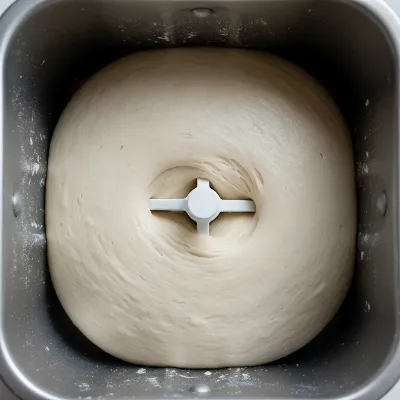 Bread dough in a bread maker forming a smooth, elastic ball during the kneading cycle, illustrating correct hydration
Advanced Troubleshooting: When All Else Fails
If you’ve meticulously followed these fixes and your bread maker dough still isn’t rising, it might be time to look at less common issues:
- Machine Malfunction: In rare cases, the heating element or kneading paddle of your bread machine could be faulty. If the machine isn’t consistently mixing or maintaining temperature, it will impact the rise.
- High Altitude Baking: For those living at high altitudes, bread recipes often require adjustments to liquid, yeast, and flour to account for lower atmospheric pressure.
Conclusion
A flat loaf from your bread maker can be disappointing, but it’s rarely a sign of your baking inadequacy. More often, it’s a simple fix related to your ingredients, measurements, or environment. By prioritizing fresh, active yeast, ensuring correct liquid temperatures, measuring with precision, providing a warm proofing environment, and understanding your flour’s needs, you can troubleshoot most non-rising dough issues. Embrace the learning process, and soon you’ll be enjoying the rewarding aroma and taste of perfectly risen, homemade bread from your bread maker.
What’s your go-to bread maker recipe, and have you ever had to rescue a flat loaf?
Frequently Asked Questions
Can I still bake dough that hasn’t risen in a bread maker?
Yes, you can still bake dough that hasn’t risen, but the result will be a dense, heavy “bread brick” rather than a light, airy loaf. It’s usually edible, though not ideal, and can be used for things like croutons or breadcrumbs. However, if the yeast test confirms the yeast is dead, it’s often better to discard the dough and start fresh.
How do I store yeast to keep it active longer?
To keep yeast active for as long as possible, store unopened packages in a cool, dry place. Once opened, transfer dry yeast to an airtight container and store it in the refrigerator for up to 4-6 months, or in the freezer for up to 6 months. This slows down the yeast’s metabolism, preserving its potency.
What is the difference between active dry yeast and instant yeast in a bread maker?
Active dry yeast typically requires rehydration in warm water before being added to other ingredients to activate it. Instant yeast, however, has finer granules and can be added directly with dry ingredients, as it activates more quickly and doesn’t require prior proofing. Bread machine yeast is a type of instant yeast specifically formulated for bread makers.
Fix Non-Rising Bread Maker Dough
Troubleshoot common issues preventing your bread maker dough from rising, ensuring a perfectly fluffy loaf every time.
Always check your yeast's expiration date and storage. Perform a proofing test by combining u00bd cup warm water (100-115u00b0F), 1 tsp sugar, and 1-2 tsp yeast; active yeast will foam significantly within 5-10 minutes.
Ensure your liquid is between 105-115u00b0F (41-46u00b0C) to activate yeast without killing it. Consult your bread maker's manual, as some machines prefer room-temperature liquids if they have a preheat cycle.
Use exact measurements for yeast, salt, and sugar. Measure flour by weight using a kitchen scale for consistency, especially with whole wheat flour, to avoid dry or overly slack dough.
Keep your bread maker away from cold drafts and ensure all cold ingredients come to room temperature. Pre-warming the bread pan for a few minutes on a short bake cycle can also help in cold kitchens.
Opt for bread flour for stronger gluten development. If using all-purpose flour, consider adding 1u00bd to 2 tablespoons of vital wheat gluten. If dough appears too dry during kneading, add 1-2 tablespoons of extra liquid until it forms a smooth, pliable ball.

This was a lifesaver! I always thought my bread maker was just inconsistent, but it was definitely the liquid temperature. I was using water that was too hot, killing the yeast before it even had a chance. Now I’m much more careful, and my bread comes out beautifully risen every time. Thank you for breaking down the science behind it all.
Good advice here. I’ve been struggling with dense loaves for a while, and the part about imprecise ingredient measurements really hit home. I usually just eyeball things, but I’m going to start using my kitchen scale for everything now. My last loaf was much better, though still not quite as fluffy as I’d hoped. Maybe I need to try a different brand of flour too.
Some helpful tips, but I still had issues. I checked my yeast and made sure my liquids were the right temp, but my dough still didn’t get that big rise. It was better than before, but not by much. I think my bread maker might just be on its last legs, or maybe I need to try a different recipe altogether. It’s a bit disappointing.
I was so frustrated with my bread maker dough not rising, and I almost gave up! This really helped me troubleshoot. Turns out my yeast was old, which I never even considered. After getting fresh yeast and checking the water temperature, my last loaf was perfect. So glad I found these tips before tossing my machine.