The best gluten-free bread makers for home use in 2026 include top models like the Zojirushi Home Bakery Virtuoso Plus (BB-PDC20) and the Panasonic SD-YR2550, which offer dedicated gluten-free settings, precise temperature control, and specialized kneading functions crucial for non-wheat flours. These machines automate the complex process of mixing, kneading, and baking, ensuring light, airy, and flavorful gluten-free loaves without the effort of traditional baking.
Why Own a Gluten-Free Bread Maker?
Owning a dedicated gluten-free bread maker offers numerous benefits, significantly improving your home baking experience. It saves time and effort by automating the mixing, kneading, rising, and baking processes. You gain the freedom to experiment with unique recipes, ensuring fresh, wholesome ingredients free from hidden additives or cross-contamination. The convenience of fresh, warm bread daily makes it a valuable addition to any gluten-free kitchen.
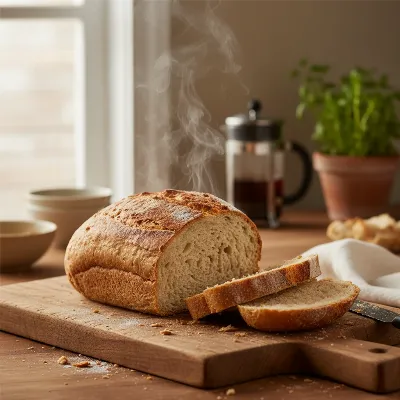 A freshly baked gluten-free bread loaf on a wooden cutting board with slices, steam rising, in a warm kitchen setting.
Understanding Gluten-Free Bread Maker Types
The market for gluten-free bread makers offers various options. Basic models focus on simplicity and affordability, typically featuring a dedicated gluten-free cycle that adjusts mixing and rising times for non-wheat flours. These are ideal for beginners.
Multi-functional machines provide more diverse settings, allowing for different loaf sizes, crust colors, and additional programs for sweet breads, cakes, and jams, while retaining specialized gluten-free modes. These cater to bakers seeking variety. Fully automatic bread makers represent the premium tier, often featuring smart technology like automatic yeast and ingredient dispensers, convection baking for even crusts, and extensive customization. These high-end models are designed for precision and consistent, bakery-quality gluten-free results, critical for delicate gluten-free doughs.
Exploring the Best Gluten-Free Bread Maker Models
When seeking the best gluten-free bread maker, certain models consistently stand out. The Zojirushi Home Bakery Virtuoso Plus (BB-PDC20) is a top contender, often considered the “gold standard.” It features dual kneading blades for thorough mixing of dense gluten-free batters and a lid heater for an evenly browned crust. Its customizable settings and horizontal loaf pan produce a sandwich-friendly shape.
The Panasonic SD-YR2550 offers 31 settings, including four dedicated gluten-free programs for bread, cake, pizza, and pasta doughs. Its unique yeast and fruit/nut dispensers add ingredients at optimal times. For precision, the Breville Custom Loaf Bread Maker (BBM800XL) allows meticulous control over kneading and rise times, crucial for gluten-free recipes. It also features a collapsible paddle and an automatic dispenser.
For budget-conscious bakers, the T-fal PF311 and Hamilton Beach HomeBaker models offer excellent value. The T-fal PF311 provides three dedicated gluten-free settings for savory bread, sweet bread, and cake. Mid-range options like the Cuisinart Convection Bread Maker (CBK-200) incorporate convection baking for crispier crusts, a desirable trait for many gluten-free loaves.
How to Choose the Right Gluten-Free Bread Maker
Selecting the ideal gluten-free bread maker involves assessing your baking habits and priorities. First, clarify your usage needs: frequent baking for a family or occasional treats. This influences the required durability and features. Next, establish a realistic budget, as prices range from under $100 to over $300. More expensive models often provide enhanced precision beneficial for gluten-free recipes.
Consider essential features like dedicated gluten-free cycles, automatic dispensers, or custom programming. Finally, prioritize reputable brands known for quality and customer support. Researching user reviews and expert recommendations offers valuable insights into long-term performance.
Essential Features for a Gluten-Free Bread Maker
When investing in a bread maker for gluten-free baking, several features are paramount. A dedicated gluten-free setting is crucial, providing optimized cycles with a single rise and specific kneading times for unique gluten-free dough characteristics. Machines with dual kneading paddles are highly recommended for thoroughly mixing thicker, stickier batters, preventing unmixed flour pockets.
A horizontal loaf pan is preferred for a traditional, sandwich-friendly shape. Automatic dispensers for yeast, fruits, and nuts add ingredients at the right moment for optimal integration. Convection baking circulates hot air for a crisp crust. Programmable settings offer flexibility to fine-tune cycles. A durable non-stick pan, ideally ceramic, simplifies cleanup. Other useful features include a sufficient capacity (typically 2 pounds), a keep-warm function, and a delay timer.
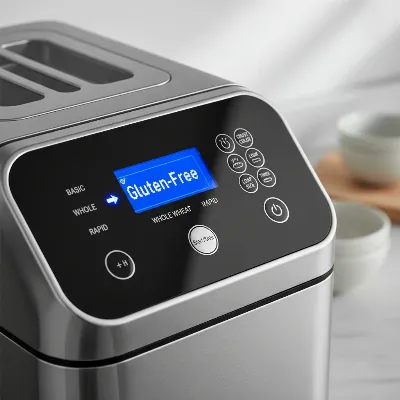 A close-up of a modern gluten-free bread maker's control panel, showing dedicated GF settings and customizable options.
Tips for Using and Maintaining Your Gluten-Free Bread Maker
To ensure optimal performance and consistently excellent loaves, proper usage and maintenance are key. Always prioritize meticulous cleaning after each use, especially the kneading paddles and bread pan, to prevent buildup. Gluten-free dough can be sticky, so use a soft cloth and mild soap for non-stick surfaces.
Always use recipes specifically designed for bread makers and gluten-free ingredients, as ratios and rise times differ significantly from wheat-based recipes. Measure ingredients precisely, preferably by weight. Store your bread maker in a dry, cool, well-ventilated area. To avoid cross-contamination, never use your gluten-free bread maker with wheat flour or gluten-containing ingredients. This care extends machine lifespan and guarantees pure, delicious gluten-free results.
Crafting Simple Gluten-Free Breads at Home
With your gluten-free bread maker, a world of delicious possibilities opens up. You can create a classic basic white gluten-free loaf for sandwiches, or a hearty whole-grain gluten-free bread using blends of brown rice, oat, and sorghum flours. Many machines offer settings for sweet gluten-free breads like cinnamon swirl or banana bread.
The key to successful gluten-free baking lies in understanding ingredients. Gluten-free flours often require binders like xanthan gum or psyllium husk to mimic gluten’s elasticity. Recipes typically call for a mix of starchier flours (tapioca, potato starch) and protein-rich flours (almond, oat flour). Ensure yeast is fresh and active, and pay attention to liquid-to-dry ingredient ratios, as gluten-free doughs are often wetter. Experimentation with flour blends and approved recipes will help you discover your favorite creations.
Where to Purchase Your Gluten-Free Bread Maker
When you’re ready to purchase a gluten-free bread maker, several reliable avenues exist. Major electronics and home appliance retailers often carry popular models, allowing in-person comparison. For wider choices and competitive pricing, reputable online marketplaces like Amazon or specialty kitchenware websites are excellent resources, offering detailed descriptions and customer reviews. Visiting official brand websites can provide direct purchasing, exclusive models, and comprehensive warranty information. Always verify return policies and warranty offerings for a smooth purchasing experience.
Troubleshooting Common Gluten-Free Bread Maker Issues
Even with a top-tier gluten-free bread maker, issues can arise. Understanding how to troubleshoot common problems can save your loaf.
- Bread Not Rising: Check yeast freshness; expired yeast is a common culprit. Ensure correct water temperature (too hot or cold kills yeast). Verify leavening agents are active. High humidity or barometric pressure can also affect sensitive gluten-free doughs.
- Loaf Collapses: This often indicates too much liquid or over-proofing. Gluten-free doughs require a delicate balance; reduce liquid slightly next time. Over-proofing means yeast has exhausted itself, weakening the structure.
- Bread is Gummy Inside: Typically a sign of underbaking. Gluten-free breads often need longer baking times. Ensure the machine’s bake cycle is sufficient, or add a “bake only” cycle. Cutting hot bread can also lead to a gummy texture.
- Dry or Crumbly Bread: May lack sufficient liquid or fat. Gluten-free recipes often require more moisture. Increase water or oil slightly. Inadequate binders (xanthan gum, guar gum, psyllium husk) can also contribute to crumbliness.
- Uneven Mixing or Flour Pockets: Common with thick gluten-free batters. For single-paddle machines, manually scrape down pan sides during initial mixing. Pre-mixing dry and wet ingredients separately before adding to the machine can improve consistency.
By understanding these challenges, you can fine-tune your approach and consistently achieve perfectly baked gluten-free bread.
Conclusion
Embracing a gluten-free lifestyle no longer means sacrificing fresh, homemade bread. The right gluten-free bread maker transforms your kitchen into a personal bakery, offering convenience, control, and consistently delicious results. From advanced dual-paddle machines with automatic dispensers to reliable budget-friendly options, there’s a perfect machine for every baker’s needs. By focusing on essential features like dedicated gluten-free settings, understanding ingredients, and following simple troubleshooting tips, you unlock the ability to craft perfect, wholesome, and satisfying loaves. Embark on this rewarding journey and discover the joy of baking your own gluten-free bread at home.
Frequently Asked Questions
What makes a bread maker good for gluten-free bread?
|
Our Picks for the Best Bread Maker in 2026
As an Amazon Associate I earn from qualifying purchases.
|
||
| Num | Product | Action |
|---|---|---|
| 1 | MERIOR 25-IN-1 Bread Maker with Visible Lid | 2lb Automatic Machine, Auto Nut Dispenser, 13-Hour Delay Timer, One-Touch Control & Recipes – Easy Operation, High Success for Homemade Bread |

|
| 2 | Elite Gourmet Programmable Bread Maker, 2 lb Loaf, 3 Sizes, 19 Presets incl. Gluten-Free, Dough & Jam, Delay Timer, Black |
|
| 3 | 25-in-1 Bread Maker Machine with Automatic Dual Dispenser, 2LB Stainless Steel Breadmaker with Gluten-Free, Dough, Jam, Yogurt etc Settings, Silver |
|
| 4 | 2LB Bread Maker Machine, OSIPOTO 17 in 1 Automatic Stainless Steel Bread Machine, Non-stick, Beginner-Friendly Controls, 15 Hour Timer, Easy to Clean Low Noise, High Success Rate for Homemade Bread |
|
| 5 | Cuisinart Bread Maker Machine, Stainless Steel Automatic Bread Machine with 12 Menu Options, 3 Loaf Sizes up to 2 Lb., 3 Crust Colors, Removable Nonstick Baking Pan & Kneading Paddle, CBK-110NAS |
|
| 6 | Zojirushi BB-PDC20BA Home Bakery Virtuoso Plus Breadmaker, 2 lb. loaf of bread |
|
| 7 | Cuisinart Bread Maker Machine, Stainless Steel Convection Bread Machine with 16 Menu Options, 3 Loaf Sizes Up to 2 Lb., 3 Crust Colors, Includes Measuring Cup, Spoon & Kneading Hook, CBK-210 |
|
| 8 | Rosewill 25-in-1 Automatic Bread Maker Machine with 3 Loaf Size up to 2 Lb, 700W High Power Dual Heater Bread Maker with BPA-free Nonstick Coating Pan, Max 15 Hours Delay Timer, Low Noise - Gray |
|
| 9 | Bread Maker, 2.2LB 16-in-1 Bread Machine, Automatic Bread Maker Machine with Nonstick Ceramic Pan & 15H Timer & 1H Keep Warm for Beginner, Breadmaker with Gluten-Free, French, Yogurt, Recipe |
|
| 10 | Elite Gourmet Programmable Bread Maker, 2 lb Loaf, 3 Sizes, 19 Presets incl. Gluten-Free, Dough & Jam, Delay Timer, Mint |
|
A bread maker is ideal for gluten-free bread if it has a dedicated gluten-free setting, which ensures proper mixing and a single rise cycle. Strong kneading paddles, programmable options for customization, and non-stick pans are also crucial for handling the unique, often stickier consistency of gluten-free dough.
Can I use regular bread maker recipes for gluten-free bread?
No, it is generally not recommended to use regular wheat-based bread maker recipes for gluten-free bread. Gluten-free flours behave very differently, requiring specific ingredient ratios, binders (like xanthan gum), and different kneading and rising times that are accommodated by specialized gluten-free programs.
Why does my gluten-free bread collapse in the bread maker?
Gluten-free bread often collapses due to too much liquid in the recipe or over-proofing. Excess moisture weakens the dough’s structure, while over-proofing causes the yeast to exhaust itself, leading to a collapse. Adjusting liquid levels and monitoring rise times can help prevent this.
How do I prevent my gluten-free bread from being gummy?
To prevent gummy gluten-free bread, ensure it is fully baked, as underbaking is a common cause. Gluten-free loaves often require longer baking times than traditional bread. Also, allow the bread to cool completely before slicing, as cutting it hot can trap moisture and result in a gummy texture.
Is a bread maker worth it for gluten-free baking?
For many, a gluten-free bread maker is definitely worth the investment. It provides the convenience of fresh, homemade bread without the high cost and limited options of store-bought gluten-free alternatives. The automation simplifies the process, making gluten-free baking accessible and enjoyable.
What are dual kneading paddles good for in a GF bread maker?
Dual kneading paddles are highly beneficial for gluten-free bread makers because they provide more thorough mixing of the dense, often batter-like gluten-free dough. This ensures all ingredients are evenly incorporated, preventing dry pockets of flour and resulting in a more uniform and well-structured loaf.
Do I need a special pan for gluten-free bread in a bread maker?
While most bread makers come with a standard pan, a high-quality non-stick pan, preferably ceramic, is particularly helpful for gluten-free bread. Gluten-free dough can be stickier, so a good non-stick surface ensures easy removal of the loaf and simplifies cleaning, enhancing your baking experience.
Frequently Asked Questions
What features make a bread maker suitable for gluten-free bread?
A bread maker is ideal for gluten-free bread if it has a dedicated gluten-free setting, which ensures proper mixing and a single rise cycle. Strong kneading paddles, programmable options for customization, and non-stick pans are also crucial for handling the unique, often stickier consistency of gluten-free dough.
Can regular bread maker recipes be used for gluten-free bread?
No, it is generally not recommended to use regular wheat-based bread maker recipes for gluten-free bread. Gluten-free flours behave very differently, requiring specific ingredient ratios, binders (like xanthan gum), and different kneading and rising times that are accommodated by specialized gluten-free programs.
Why does my gluten-free bread collapse in the bread maker?
Gluten-free bread often collapses due to too much liquid in the recipe or over-proofing. Excess moisture weakens the dough's structure, while over-proofing causes the yeast to exhaust itself, leading to a collapse. Adjusting liquid levels and monitoring rise times can help prevent this issue.
How can I prevent my gluten-free bread from having a gummy texture?
To prevent gummy gluten-free bread, ensure it is fully baked, as underbaking is a common cause. Gluten-free loaves often require longer baking times than traditional bread. Also, allow the bread to cool completely for at least 60 minutes before slicing, as cutting it hot can trap moisture and result in a gummy texture.
Is investing in a gluten-free bread maker worthwhile?
For many, a gluten-free bread maker is definitely worth the investment. It provides the convenience of fresh, homemade bread without the high cost and limited options of store-bought gluten-free alternatives. The automation simplifies the process, making gluten-free baking accessible and enjoyable for daily use.
What is the benefit of dual kneading paddles in a GF bread maker?
Dual kneading paddles are highly beneficial for gluten-free bread makers because they provide more thorough mixing of the dense, often batter-like gluten-free dough. This ensures all ingredients are evenly incorporated, preventing dry pockets of flour and resulting in a more uniform and well-structured loaf, typically a 2-pound size.
How to Choose a Gluten-Free Bread Maker
Selecting the ideal gluten-free bread maker involves assessing your baking habits, budget, and desired features to ensure successful and delicious results.
Determine how frequently you will bake gluten-free bread. Frequent use for a family may require a more durable machine with advanced features, while occasional baking might suit a simpler model.
Establish a budget, as prices for gluten-free bread makers can range significantly from under $100 to over $300. More expensive models often provide enhanced precision and features particularly beneficial for gluten-free recipes.
Consider specific features important to you, such as dedicated gluten-free cycles, automatic dispensers for yeast and ingredients, or custom programming capabilities. Dual kneading paddles and a horizontal loaf pan are often highly recommended.
Prioritize reputable brands known for quality and customer support. Research user reviews and expert recommendations to gain insights into long-term performance and overall satisfaction with specific models.

I’ve been using the Panasonic SD-YR2550 for a few weeks now, and I’m really impressed with the results. The precise temperature control is fantastic for getting a good rise on my gluten-free sourdough. I love being able to experiment with different flours and knowing the machine will handle the tricky parts. It’s made baking fresh bread so much more accessible for my family.
I finally splurged on the Zojirushi Home Bakery Virtuoso Plus after reading about it, and it’s been a game-changer for my gluten-free diet. The dedicated gluten-free setting really makes a difference; my loaves come out perfectly every time, light and airy, which is tough to achieve with GF flours. It’s so much easier than trying to knead by hand, and the results are consistently delicious. Definitely worth the investment for anyone serious about their GF bread.
This machine has completely transformed my baking routine. I used to dread making gluten-free bread because of all the effort, but my new bread maker automates everything. I can now enjoy fresh, warm bread without worrying about cross-contamination or hidden additives, which is a huge relief. It’s so convenient to just set it and forget it, and wake up to a delicious loaf.
I got a bread maker in the mid-range price point, hoping to make my own gluten-free bread more often. While it does a decent job with basic recipes, I’ve found that the kneading function isn’t always strong enough for denser GF doughs, sometimes leaving unmixed bits. It’s good for convenience, but I still have to do some manual mixing to get the best texture. It’s okay, but I might upgrade in the future.