There’s a unique kind of disappointment when you eagerly await a freshly baked loaf from your bread maker, only to find it’s more of a dense brick than a light, airy delight. Many home bakers share this frustration, wondering what went wrong with their carefully measured ingredients and automated process. While bread machines simplify the art of baking, they still rely on a delicate balance of factors that, if slightly off, can lead to a heavy, compact loaf. Fortunately, achieving that coveted soft, fluffy texture is entirely within reach with a few key adjustments and a deeper understanding of your machine and ingredients.
Understanding the “Why”: Common Culprits Behind Dense Bread Maker Loaves
When your bread maker yields dense results, it often points to issues with the fundamental building blocks of bread: yeast activity, flour type, and proper hydration. Each plays a critical role in developing the airy structure we all crave. By identifying the root cause, you can transform your baking outcomes from frustrating failures to consistent successes.
The Vital Role of Yeast: Activity, Type, and Environment
Yeast is the microscopic powerhouse responsible for making your bread rise. If your yeast is old, inactive, or used in incorrect quantities, it won’t produce enough carbon dioxide gas to leaven the dough, resulting in a dense loaf. Ensure your yeast is fresh and stored properly, ideally in an airtight container in the refrigerator or freezer. Using the correct type of yeast – typically “bread machine” or “instant” yeast – is also crucial, as active dry yeast may require different activation times. Furthermore, excessively hot or cold liquids can either kill the yeast or slow its activity, preventing proper rise.
Flour Power: Choosing the Right Type and Quantity
The type of flour you use significantly impacts the final texture of your bread. Bread flour, with its higher protein content, develops more gluten, which creates a stronger elastic network to trap gas and produce a lighter loaf. All-purpose flour, having less gluten, often yields denser results. Beyond type, the quantity and measurement of flour are paramount. Too much flour makes the dough stiff and difficult for yeast to expand, while too little can lead to a sticky dough that struggles to hold its shape. Always measure flour accurately, preferably by weight, or by spooning it lightly into a measuring cup without packing it down.
The Liquid Balance: Too Much, Too Little, Just Right
Hydration, the ratio of liquid to flour, is a critical factor in bread making. Too little liquid creates a dry, stiff dough that can’t expand properly, leading to a dense and crumbly texture. Conversely, too much liquid makes the dough overly wet and weak, causing it to collapse during baking or result in a gummy, dense interior. Bread machine recipes are often very precise with liquid amounts for a reason. Pay close attention to the specified liquid temperature, as cold liquids can hinder yeast activity, while excessively hot liquids can kill it.
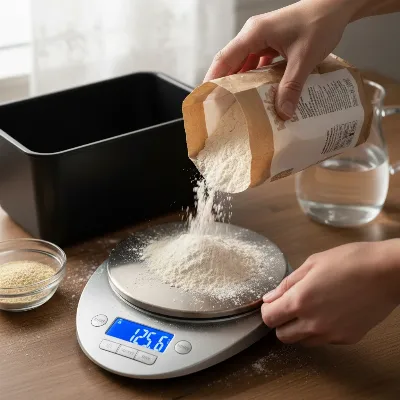 A person accurately weighing flour on a digital kitchen scale next to a bread maker, emphasizing precise ingredient measurement.
The Impact of Other Ingredients: Salt, Sugar, and Add-ins
|
Our Picks for the Best Bread Maker in 2026
As an Amazon Associate I earn from qualifying purchases.
|
||
| Num | Product | Action |
|---|---|---|
| 1 | Cuisinart Bread Maker Machine, Stainless Steel Convection Bread Machine with 16 Menu Options, 3 Loaf Sizes Up to 2 Lb., 3 Crust Colors, Includes Measuring Cup, Spoon & Kneading Hook, CBK-210 |

|
| 2 | Cuisinart Bread Maker Machine, Stainless Steel Automatic Bread Machine with 12 Menu Options, 3 Loaf Sizes up to 2 Lb., 3 Crust Colors, Removable Nonstick Baking Pan & Kneading Paddle, CBK-110NAS |
|
| 3 | 25-in-1 Bread Maker Machine with Automatic Dual Dispenser, 2LB Stainless Steel Breadmaker with Gluten-Free, Dough, Jam, Yogurt etc Settings, Silver |
|
| 4 | Rosewill 25-in-1 Automatic Bread Maker Machine with 3 Loaf Size up to 2 Lb, 700W High Power Dual Heater Bread Maker with BPA-free Nonstick Coating Pan, Max 15 Hours Delay Timer, Low Noise - Gray |
|
| 5 | Elite Gourmet Programmable Bread Maker, 2 lb Loaf, 3 Sizes, 19 Presets incl. Gluten-Free, Dough & Jam, Delay Timer, Mint |
|
| 6 | Zojirushi BB-PDC20BA Home Bakery Virtuoso Plus Breadmaker, 2 lb. loaf of bread |
|
| 7 | 2LB Bread Maker Machine, OSIPOTO 17 in 1 Automatic Stainless Steel Bread Machine, Non-stick, Beginner-Friendly Controls, 15 Hour Timer, Easy to Clean Low Noise, High Success Rate for Homemade Bread |
|
| 8 | MERIOR 25-IN-1 Bread Maker with Visible Lid | 2lb Automatic Machine, Auto Nut Dispenser, 13-Hour Delay Timer, One-Touch Control & Recipes – Easy Operation, High Success for Homemade Bread |
|
| 9 | Elite Gourmet Programmable Bread Maker, 2 lb Loaf, 3 Sizes, 19 Presets incl. Gluten-Free, Dough & Jam, Delay Timer, Black |
|
| 10 | Bread Maker, 2.2LB 16-in-1 Bread Machine, Automatic Bread Maker Machine with Nonstick Ceramic Pan & 15H Timer & 1H Keep Warm for Beginner, Breadmaker with Gluten-Free, French, Yogurt, Recipe |
|
Beyond yeast, flour, and liquid, other ingredients play supporting roles in your loaf’s texture. Salt, while essential for flavor and controlling yeast activity, can inhibit yeast if too much is added or if it comes into direct contact with the yeast before mixing. Sugar provides food for the yeast, aiding its activity, but too much can over-stimulate it, leading to a rapid rise followed by a collapse. When incorporating additional ingredients like nuts, seeds, or dried fruit, be mindful of their weight and moisture content. Too many heavy add-ins can weigh down the dough, hindering its ability to rise and contributing to a dense texture.
Precision in Practice: Mastering Your Bread Maker Technique
While your bread machine automates much of the baking process, a few careful techniques on your part can make a significant difference in preventing dense loaves. These practices involve being attentive to your ingredients and understanding how your dough behaves during the initial stages.
Accurate Measuring: The Foundation of Perfect Bread
The most common cause of dense bread machine loaves is inaccurate ingredient measurement. “Eyeballing” ingredients, especially flour and liquid, can drastically throw off the delicate balance a recipe requires. Invest in a digital kitchen scale to measure flour and other dry ingredients by weight for unparalleled accuracy. For liquids, use clear liquid measuring cups at eye level. Small discrepancies can lead to dough that is too dry or too wet, directly impacting its ability to rise properly and achieve a light crumb. Consistency in measurement is your best ally against density.
Dough Observation and Adjustment: Your Mid-Cycle Check-up
One often overlooked secret to perfect bread machine bread is checking the dough consistency during the first kneading cycle. About 5-10 minutes into kneading, pause your machine (if it has a pause function) and observe the dough. It should form a smooth, elastic ball that cleans the sides of the pan. If it appears too dry and crumbly, add a teaspoon of warm water at a time until the desired consistency is reached. If it’s too sticky, add a tablespoon of flour. Make only small adjustments and allow the machine to knead for another minute or two before re-evaluating. This hands-on adjustment ensures optimal gluten development.
Optimizing Kneading and Gluten Development
Proper kneading is vital for gluten development, creating the elastic network that traps gases and gives bread its structure and airy texture. While your bread maker handles the kneading, dough that is too stiff (due to excess flour or insufficient liquid) might not be adequately kneaded. Conversely, over-kneading, though less common in bread machines, can sometimes weaken the gluten structure. The mid-cycle dough check helps ensure the dough is at the optimal consistency for your machine to develop gluten effectively. If the dough seems overly resistant or isn’t coming together, a slight adjustment to hydration can often resolve the issue.
The Art of Rising: Temperature, Time, and Proofing
The rising (proofing) stage is where yeast produces carbon dioxide, expanding the dough. If the dough doesn’t have enough time to rise or the temperature isn’t ideal, the resulting loaf will be dense. Most bread machines have pre-programmed rising times, but external factors like ambient room temperature can influence this. A too-cold room can slow yeast activity, while a too-warm environment might cause the dough to over-proof and collapse. Ensure your ingredients are at the recommended temperature, and consider using warm liquids (around 100-110°F or 38-43°C) to kickstart yeast activity without killing it.
Bread Maker Best Practices: Beyond the Basics
To consistently achieve beautifully airy loaves, it’s beneficial to integrate several best practices into your bread-making routine. These encompass understanding your machine’s unique characteristics, the role of environmental factors, and essential maintenance.
Selecting the Right Cycle and Loaf Size
Bread machines come with various pre-programmed cycles designed for different bread types. Using the “Basic” or “White Bread” cycle is generally suitable for standard recipes, but if you’re making whole wheat or specialty breads, select the corresponding program. These cycles vary in mixing, kneading, rising, and baking times, which are crucial for optimal results. Additionally, pay attention to the specified loaf size in your recipe. Trying to make a 1-pound loaf in a machine designed for larger 1.5- or 2-pound loaves can spread the dough too thinly, leading to a shorter, denser output with an over-crusted finish.
Ingredient Order: A Simple Yet Crucial Step
Most bread machine manufacturers recommend a specific order for adding ingredients to the pan, typically liquids first, then dry ingredients, and finally yeast on top. This layering prevents the yeast from coming into premature contact with salt or sugar, which can hinder or kill its activity. Always consult your bread machine’s manual for its recommended layering sequence. Creating a small well in the center of the flour for the yeast is a common technique to keep it separate from the liquids and salt until the mixing cycle begins.
Environmental Factors: Humidity and Altitude Adjustments
The environment in which you bake can subtly yet significantly impact your bread. High humidity can mean your flour absorbs more moisture from the air, potentially requiring a slight reduction in liquid. Conversely, very dry climates might necessitate a small increase in liquid. For bakers at higher altitudes, lower atmospheric pressure causes dough to rise more rapidly. This faster rise can sometimes lead to a weak structure that collapses, resulting in a dense loaf. High-altitude adjustments might include reducing the amount of yeast, slightly increasing liquid, and potentially shortening proofing times. Refer to specialized high-altitude bread recipes or adapt your existing ones with these considerations in mind.
Maintaining Your Machine for Optimal Performance
Even with perfect ingredients and technique, a poorly maintained bread maker can lead to issues. Ensure the kneading paddles are correctly installed and free from debris, as loose or obstructed paddles can result in inadequate mixing and undeveloped gluten. Regularly clean your machine, especially the bread pan and heating element, to ensure consistent performance. An aging machine might also have issues with temperature control or kneading power, which can subtly contribute to dense loaves over time. If all other troubleshooting fails, consider if your machine itself might be past its prime.
Troubleshooting Common Scenarios
Even with careful attention, baking bread can sometimes present challenges. Knowing how to diagnose and address specific issues can quickly get you back on track to achieving light, fluffy loaves.
My Dough Isn’t Rising Enough
If your dough remains stubbornly flat, the most likely culprits are inactive yeast, insufficient yeast, or cold liquids inhibiting yeast activity. First, check your yeast’s expiration date and perform a quick proofing test: mix a teaspoon of yeast with a pinch of sugar in a quarter cup of warm water (around 105-115°F/40-46°C). If it doesn’t foam within 5-10 minutes, your yeast is dead. Ensure your liquids are warm, not cold, and avoid letting yeast come into direct contact with salt for extended periods before mixing begins. Too much salt can also severely impede yeast function.
My Loaf Collapsed or Sank
A loaf that rises beautifully only to sink in the middle, creating a crater or dense band, is usually a sign of over-proofing or an imbalance of ingredients. Over-proofing means the yeast worked too quickly or for too long, exhausting its gas-producing capacity and weakening the gluten structure until it can no longer support the rise. This can be caused by too much yeast, too much sugar (feeding the yeast excessively), or a dough that is too wet. High altitude can also contribute to rapid rising and subsequent collapse. Try reducing yeast slightly, decreasing sugar, or reducing liquid by a tablespoon if your loaf frequently collapses.
The Crust is Too Thick, the Inside is Gummy
A thick, hard crust often accompanies a dense or gummy interior, signaling issues with hydration or kneading. A dough that is too dry or doesn’t have sufficient gluten development will struggle to rise, resulting in a smaller, denser loaf with a disproportionately thick crust. Conversely, a gummy interior can result from a dough that is too wet, under-baked, or over-proofed. Checking the dough consistency during kneading is key here. If the dough is too dry, it won’t stretch well. If it’s too wet, it might not bake through properly, leaving a raw or gummy texture. Ensure your recipe’s liquid-to-flour ratio is correct and that the bread maker’s cycle is appropriate for the dough type.
Expert Tips for a Fluffy Finish
Beyond standard troubleshooting, incorporating advanced techniques and enriching ingredients can elevate your bread maker loaves from merely good to truly exceptional, ensuring a consistently fluffy crumb.
Consider a ‘Tangzhong’ or ‘Yudane’ Method
For an exceptionally soft and airy texture, consider incorporating the tangzhong (water roux) or yudane (hot water paste) method. These techniques involve cooking a small portion of the flour with liquid (water or milk) to create a paste before adding it to the main dough. This pre-gelatinizes the starches, allowing them to absorb more liquid, which leads to incredibly moist, tender bread with an extended shelf life. While it adds an extra step, the difference in texture is remarkable and well worth the effort for those seeking ultimate fluffiness from their bread maker.
Enriching Ingredients: Eggs, Milk, and Fats
Enriching your dough with ingredients like eggs, milk, butter, or oil can significantly contribute to a softer, more tender crumb. Eggs add richness and structure, while milk fats and sugars tenderize the gluten, making the bread softer. Fats like butter or oil lubricate the gluten strands, allowing the dough to stretch more easily and rise higher, producing a finer, more open crumb. If your recipe produces dense results, try replacing some water with milk or adding a tablespoon of butter or a whole egg (adjusting other liquids slightly) to enhance the loaf’s texture and overall richness.
Don’t Rush the Cooling Process
Once your bread maker signals the end of its cycle, it’s tempting to slice into the warm, fragrant loaf immediately. However, allowing the bread to cool completely on a wire rack is crucial for its internal structure and texture. As bread cools, the starches continue to set, and moisture redistributes throughout the loaf. Slicing hot bread can lead to a gummy, dense interior, as the steam and moisture haven’t fully dissipated or settled. Patience is a virtue in baking; let your loaf cool for at least an hour, or preferably longer, to achieve its optimal texture.
Conclusion
Achieving light, fluffy bread from your bread maker is a rewarding experience that transforms your kitchen into a home bakery. While a dense loaf can be disheartening, it’s rarely a sign of failure but rather an opportunity to refine your craft. By understanding the intricate roles of fresh ingredients, precise measurements, and attentive dough observation, you can confidently troubleshoot and prevent common issues. Embrace the journey of experimentation, make small, informed adjustments, and soon you will consistently pull out perfect loaves – soft, airy, and utterly delicious. What new recipe will you master in your bread maker next?
Frequently Asked Questions
What is the best flour for a bread machine to avoid dense loaves?
For the lightest and fluffiest bread, bread flour is generally recommended due to its higher protein content, which promotes better gluten development. While all-purpose flour can work, it often results in a slightly denser crumb. Whole wheat flour naturally produces a denser loaf and may require additional liquid or vital wheat gluten for a lighter texture.
Can I use expired yeast in my bread machine?
Using expired yeast is a common cause of dense, under-risen bread. Yeast loses its potency over time, especially if not stored properly. Always check the expiration date and store yeast in an airtight container in the refrigerator or freezer to prolong its life. If your yeast doesn’t foam when proofed in warm, sugary water, it’s time to replace it.
How do I know if my bread machine dough is too dry or too wet?
During the first 5-10 minutes of the kneading cycle, your dough should form a smooth, elastic ball that cleans the sides of the pan. If the dough looks crumbly, is struggling to come together, or leaves dry flour at the bottom, it’s likely too dry. If it’s overly sticky, resembles a thick batter, or slumps instead of forming a ball, it’s too wet. Make small adjustments (teaspoon of water or tablespoon of flour) until the desired consistency is achieved.
Why does my bread collapse in the bread machine?
Bread collapse is often a sign of over-proofing, where the dough rises too quickly or for too long, exhausting the yeast and weakening the gluten structure. This can be caused by too much yeast, too much sugar, too much liquid, or high ambient temperatures. Reducing yeast or sugar slightly, or ensuring proper liquid amounts, can help prevent collapse.
