Choosing between horizontal and vertical bread makers depends on your desired loaf shape, kitchen space, and budget. Horizontal bread makers produce traditional, wide, rectangular loaves ideal for sandwiches and toast, often featuring dual kneading paddles for superior dough development. Vertical bread makers are more compact and budget-friendly, yielding taller, narrower, square-shaped loaves that save counter space.
Why Own a Bread Maker?
A bread maker offers convenience, health benefits, and a satisfying culinary experience. These machines significantly reduce the time and effort traditionally required for baking, transforming a multi-hour process into a simple “add ingredients and press a button” task. You can wake up to a warm loaf, precisely timed to finish just as you start your day.
Beyond convenience, owning a bread maker empowers you to experiment with an endless array of recipes, from artisanal sourdough to gluten-free options and sweet brioche. This allows for complete transparency over ingredients, ensuring your family consumes only fresh, wholesome components, free from unwanted preservatives and additives often found in store-bought bread. The ability to customize ingredients also caters to specific dietary needs or preferences, a growing priority for many households.
Ultimately, the most compelling reason remains the sensory delight of warm, fragrant, homemade bread. There’s an unmatched quality to a loaf that emerges from your own machine, a simple pleasure that elevates everyday meals and gatherings. It transforms your kitchen into a hub of warmth and inviting aromas, making every slice a testament to comfort and craft.
Understanding Bread Maker Orientations: Horizontal vs. Vertical
The primary distinction among bread makers lies in the orientation of their loaf pans: horizontal or vertical. This design choice fundamentally dictates the shape of your baked bread and impacts various practical aspects, from counter space to kneading efficiency. Understanding these differences is crucial for selecting a machine that aligns with your baking habits and kitchen setup.
Horizontal bread makers, often considered the more traditional style, feature an elongated loaf pan that produces a wide, rectangular loaf, closely resembling those found in commercial bakeries. These machines typically utilize one or two kneading blades positioned along the base of the pan, designed to thoroughly mix and knead dough for a consistent texture. The resulting slices are ideal for sandwiches and toast, offering a familiar and versatile shape that fits perfectly into standard toaster slots.
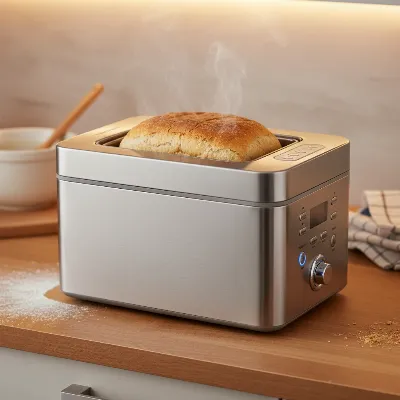 Horizontal bread maker baking a traditional, wide loaf of white bread, perfect for sandwiches
In contrast, vertical bread makers are characterized by a taller, narrower loaf pan, yielding a square or “pillar-shaped” loaf. These compact designs are celebrated for their space-saving footprint, making them a popular choice for smaller kitchens or those with limited counter real estate. Most vertical models feature a single kneading blade at the bottom of the pan. While excellent for basic bread types like white or whole wheat, their unique loaf shape can sometimes lead to slices that are too tall or awkwardly shaped for conventional toasters or sandwich preparation.
A Closer Look: Pros and Cons of Each Style
Choosing between a horizontal and vertical bread maker involves weighing their respective advantages and disadvantages. Each orientation caters to different priorities, from the desired bread shape to kitchen size and budget considerations.
Horizontal Bread Makers
|
Our Picks for the Best Bread Maker in 2026
As an Amazon Associate I earn from qualifying purchases.
|
||
| Num | Product | Action |
|---|---|---|
| 1 | Cuisinart Bread Maker Machine, Stainless Steel Automatic Bread Machine with 12 Menu Options, 3 Loaf Sizes up to 2 Lb., 3 Crust Colors, Removable Nonstick Baking Pan & Kneading Paddle, CBK-110NAS |

|
| 2 | Cuisinart Bread Maker Machine, Stainless Steel Convection Bread Machine with 16 Menu Options, 3 Loaf Sizes Up to 2 Lb., 3 Crust Colors, Includes Measuring Cup, Spoon & Kneading Hook, CBK-210 |
|
| 3 | Elite Gourmet Programmable Bread Maker, 2 lb Loaf, 3 Sizes, 19 Presets incl. Gluten-Free, Dough & Jam, Delay Timer, Mint |
|
| 4 | 25-in-1 Bread Maker Machine with Automatic Dual Dispenser, 2LB Stainless Steel Breadmaker with Gluten-Free, Dough, Jam, Yogurt etc Settings, Silver |
|
| 5 | 2LB Bread Maker Machine, OSIPOTO 17 in 1 Automatic Stainless Steel Bread Machine, Non-stick, Beginner-Friendly Controls, 15 Hour Timer, Easy to Clean Low Noise, High Success Rate for Homemade Bread |
|
| 6 | Rosewill 25-in-1 Automatic Bread Maker Machine with 3 Loaf Size up to 2 Lb, 700W High Power Dual Heater Bread Maker with BPA-free Nonstick Coating Pan, Max 15 Hours Delay Timer, Low Noise - Gray |
|
| 7 | Elite Gourmet Programmable Bread Maker, 2 lb Loaf, 3 Sizes, 19 Presets incl. Gluten-Free, Dough & Jam, Delay Timer, Black |
|
| 8 | Zojirushi BB-PDC20BA Home Bakery Virtuoso Plus Breadmaker, 2 lb. loaf of bread |
|
| 9 | Bread Maker, 2.2LB 16-in-1 Bread Machine, Automatic Bread Maker Machine with Nonstick Ceramic Pan & 15H Timer & 1H Keep Warm for Beginner, Breadmaker with Gluten-Free, French, Yogurt, Recipe |
|
| 10 | MERIOR 25-IN-1 Bread Maker with Visible Lid | 2lb Automatic Machine, Auto Nut Dispenser, 13-Hour Delay Timer, One-Touch Control & Recipes – Easy Operation, High Success for Homemade Bread |
|
Pros:
- Traditional Loaf Shape: Horizontal machines excel at producing classic, wide, rectangular loaves, which are universally preferred for sandwiches, toast, and general meal preparation. This familiar shape ensures even slices that fit standard toasters without issue.
- Superior Kneading: Many high-end horizontal models feature dual kneading paddles. These paddles work in tandem to provide more thorough and even dough development, often resulting in a better texture and fewer unmixed pockets of flour. This also helps in reducing the dreaded “paddle hole” at the bottom of the loaf.
- Increased Versatility: Due to their design and often more robust motors, horizontal bread makers tend to handle a wider variety of doughs and larger loaf sizes, from dense whole grains to light brioche, with greater consistency.
- Enhanced Features: Premium horizontal machines frequently come equipped with advanced features like automatic ingredient dispensers, lid heaters for uniform crust browning, and quieter operation.
Cons:
- Larger Footprint: Their elongated design means horizontal bread makers occupy more counter space. This can be a significant drawback for compact kitchens or those with limited storage.
- Higher Price Point: Generally, horizontal models, especially those with dual paddles and advanced features, come with a higher price tag compared to their vertical counterparts.
- Potential for Uneven Crust Browning: While many newer models address this, some older or basic horizontal machines may produce a loaf where the top crust is lighter than the sides, as the main heating element is typically at the bottom.
Vertical Bread Makers
Pros:
- Space-Saving Design: The most significant advantage of vertical bread makers is their compact, upright footprint. They take up less counter space, making them ideal for small apartments, dorms, or kitchens where every inch counts.
- Budget-Friendly: Vertical models are often more affordable, providing an accessible entry point into homemade bread baking for those on a tighter budget.
- Simplicity: With fewer features and often a single kneading blade, vertical machines can be simpler to operate, appealing to beginners or those who prefer a straightforward baking experience.
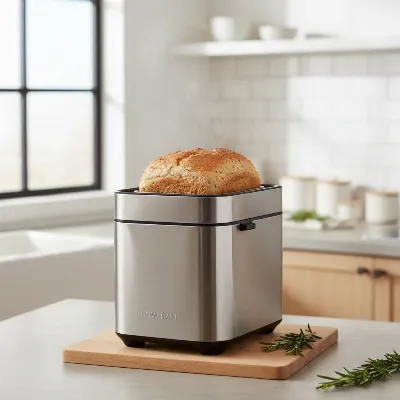 Compact vertical bread maker on a small kitchen counter, showing a tall, square loaf of bread
Cons:
- Awkward Loaf Shape: The tall, square shape of the loaves produced by vertical machines can be inconvenient. Slices often don’t fit standard toasters and can be challenging for sandwich assembly.
- Less Versatile Kneading: Typically equipped with only one kneading paddle, these machines may not knead dough as thoroughly or evenly as dual-paddle horizontal models, potentially leading to a denser crumb or less consistent texture.
- Limited Capacity & Density: While many can still bake a 2-pound loaf, the vertical orientation can sometimes restrict the loaf’s rise, potentially resulting in a denser final product, especially with whole grain recipes.
- Stability Issues: Lighter vertical models, due to their smaller base, can sometimes “walk” or vibrate excessively across the counter during the kneading cycle, requiring monitoring.
Key Features and What to Consider When Buying
Selecting the right bread maker is a personal decision, shaped by your baking aspirations, kitchen dynamics, and budget. Beyond the fundamental horizontal vs. vertical choice, several key features deserve your attention to ensure your investment truly meets your needs.
Loaf Shape & Size: This is often the starting point. If traditional, evenly sliced sandwich bread is your priority, a horizontal bread maker is indispensable. Consider models that offer varying loaf sizes (e.g., 1 lb, 1.5 lb, 2 lb, 2.5 lb, 3 lb) to accommodate your household’s consumption. A larger family or frequent entertaining might warrant a 2-3 pound capacity, while singles or couples may prefer a 1-1.5 pound machine.
Kneading Blades: For optimal dough development and a consistently textured crumb, dual kneading paddles found in many horizontal machines are a significant advantage. They ensure more thorough mixing and fewer unmixed pockets. Look for machines with audible alerts that signal when to remove the paddle before baking, which helps prevent the common “paddle hole” in the finished loaf.
Programs & Settings: Modern bread makers offer a plethora of pre-programmed cycles. Essential settings often include basic white, whole wheat, French, sweet, dough-only, and rapid bake. For those with dietary restrictions or culinary ambitions, look for dedicated gluten-free, sourdough, and custom programming options. The ability to manually set knead, rise, and bake times provides ultimate control for experimental bakers.
Footprint & Stability: Assess your available counter and storage space. Vertical machines are the clear winner for compactness, while horizontal models demand more linear space. A heavier machine generally indicates better stability during the vigorous kneading cycles, preventing it from “walking” across your counter. Stainless steel builds often contribute to both durability and weight.
Crust Control & Browning: Most bread makers offer light, medium, and dark crust settings. For those who desire an evenly browned top crust, look for horizontal models that incorporate a heating element in the lid. This feature helps achieve a consistent, golden crust all around the loaf, a common desire for many bakers.
Budget: Bread makers span a wide price range. Entry-level vertical models can be quite affordable, while high-end horizontal machines with all the bells and whistles represent a more significant investment. Determine your budget upfront, but remember that a higher price often correlates with superior build quality, more features, and greater durability.
Brand & Durability: Researching reputable brands is always a wise step. Brands like Zojirushi are frequently cited for their exceptional durability, precise temperature control, and consistent performance, often lasting over a decade with proper care. While pricier, they are considered a long-term investment by many home bakers.
Convenience Features: A delay start timer is invaluable, allowing you to wake up to fresh bread or have it ready after work. Automatic ingredient dispensers for nuts, seeds, or fruits ensure they’re added at the optimal time without manual intervention. A viewing window and interior light allow you to monitor the baking process without disrupting the temperature by opening the lid.
Top Picks: Horizontal and Vertical Models
The bread maker market offers outstanding choices across both horizontal and vertical designs, catering to every need and budget. Here are some of the standout models currently impressing home bakers.
Horizontal Bread Makers for a Traditional Loaf
For those prioritizing the classic, wide loaf shape perfect for sandwiches, these horizontal machines consistently deliver.
- Zojirushi Home Bakery Virtuoso Plus (BB-PDC20BA): Often hailed as the “gold standard,” this premium machine features dual kneading paddles that produce an incredibly well-kneaded dough, resulting in a superior texture and integrated crust. Its elongated pan creates a perfectly traditional loaf shape. The Virtuoso Plus boasts a wide variety of settings, including gluten-free and sourdough, and often includes a lid heater for even top-crust browning. It’s a significant investment, but one renowned for its durability and consistent, bakery-quality results.
- Breville Custom Loaf Bread Maker (BBM800XL): This elegant machine is known for its smart features, including a collapsible kneading blade that retracts before baking, minimizing the paddle hole. It offers 13 automatic settings and 9 custom settings, allowing for extensive recipe customization. With its stainless steel body and ability to make up to a 2.5-pound loaf, it’s a favorite for serious bakers seeking both performance and aesthetics.
- West Bend Hi-Rise Bread Maker: A great option for those needing larger capacities, the West Bend can bake up to a 3-pound loaf. Its custom-shaped horizontal pan and dual kneading paddles work together to mimic a handmade loaf, delivering appealing slices. It offers 12 customizable settings and is praised for its ability to produce fluffy, open-crumb bread with a deep golden crust.
Vertical Bread Makers for Compact Convenience
If counter space is a premium and you appreciate the efficiency of a smaller appliance, these vertical models offer excellent performance.
- Cuisinart Compact Automatic Bread Maker (CBK-110NAS): Ideal for small kitchens, this vertical bread maker can still produce a full 2-pound loaf while occupying minimal counter space. It comes with 12 menu options, including settings for artisan dough, and offers a user-friendly experience with an interior light and viewing window. While its tall, square slices might be unusual for some, it consistently delivers perfect white bread with a great crust.
- Hamilton Beach Artisan Dough & Bread Maker: A budget-friendly yet capable option, this vertical machine is perfect for basic bread making. It offers 14 settings, including gluten-free, and allows for 1, 1.5, or 2-pound loaves with adjustable crust darkness. Its plug-and-play simplicity makes it excellent for beginners, and it includes useful alerts for adding mix-ins.
Tips for Using and Maintaining Your Bread Maker
To ensure your bread maker delivers delicious loaves consistently and stands the test of time, proper usage and maintenance are key. Think of it as a trusty kitchen assistant that performs best with a little care.
Firstly, always adhere to recipes and ingredient measurements meticulously. Bread making is a science, and even slight deviations can impact the final texture and rise. Use fresh ingredients, especially yeast, as expired yeast is a common culprit for dense, unrisen loaves. When adding ingredients, ensure liquids are placed first, followed by dry ingredients, with yeast added last, usually in a small well on top of the flour, away from salt and sugar until the mixing cycle begins. This sequence helps prevent premature activation of the yeast.
Regular cleaning is paramount. After each use, allow the bread pan and kneading paddle(s) to cool completely. Most non-stick bread pans should be hand-washed with warm, soapy water and a soft sponge to preserve their coating. Avoid abrasive cleaners or metal utensils, which can scratch the surface. The kneading paddle, which can sometimes get stuck, often detaches easily for cleaning. If it’s stubborn, a short soak in warm water can help loosen any baked-on dough. Wipe down the interior and exterior of the machine with a damp cloth, ensuring no crumbs or spills remain, which can attract pests or affect future bakes.
Lastly, store your bread maker in a cool, dry place. While some compact vertical models are designed to live on your counter, if you have a larger horizontal machine or simply prefer a tidy kitchen, proper storage protects it from dust and potential damage. Ensure the lid is closed to keep the interior clean, and consider covering it if storing it in an open area.
Common Bread Maker Challenges and Solutions
Even seasoned bread maker users encounter occasional hiccups. Knowing how to troubleshoot common issues can save you frustration and ensure your baking adventures remain joyful.
If your bread isn’t rising properly, the most frequent cause is inactive or expired yeast. Always check the expiration date and consider proofing your yeast in warm water (around 105-115°F or 40-46°C) with a pinch of sugar before adding it to your machine, especially if you’re unsure of its freshness. Another factor could be incorrect water temperature – too hot will kill the yeast, too cold will inhibit its activity. Ensure your liquids are within the recommended range. Additionally, too much salt can hinder yeast activation, so precise measurement is important.
Uneven crust browning, particularly a lighter top crust, is a common complaint, especially with vertical models or horizontal machines lacking a lid heater. If your machine doesn’t have a specific “dark crust” setting or a top heating element, you can try covering the top of the machine with a clean tea towel during the last 20-30 minutes of baking (ensuring it doesn’t block vents) to trap more heat. Alternatively, you can remove the loaf from the machine after its cycle, place it on a baking sheet, and finish browning it in a preheated conventional oven for 5-10 minutes.
The infamous “paddle hole” at the bottom of the loaf is almost unavoidable in most bread makers since the kneading paddle bakes into the bread. However, many modern horizontal machines offer a “paddle removal alert” feature. This audible signal notifies you when the kneading cycle is complete and before the final rise and bake, allowing you to open the lid, carefully remove the paddle, and reshape the dough slightly before the baking process begins. If your machine doesn’t have this feature, you can manually set a timer to remove the paddle after the final kneading cycle finishes. Some bakers also find that lightly greasing the paddle before adding ingredients can make it easier to remove from the baked loaf.
By understanding these common issues and their straightforward solutions, you can confidently navigate the world of bread making and consistently achieve delicious results.
Conclusion
Choosing between horizontal and vertical bread makers ultimately boils down to a thoughtful consideration of your individual needs, kitchen space, and desired bread shape. Horizontal models offer that coveted traditional, wide loaf, perfect for sandwiches, often accompanied by superior kneading capabilities from dual paddles. However, they demand more counter space and typically come with a higher price tag. Conversely, vertical bread makers champion compactness and affordability, fitting seamlessly into smaller kitchens, though their tall, square loaves may not be everyone’s preference.
Regardless of your choice, a bread maker is a fantastic investment, transforming your home with the irresistible aroma and wholesome goodness of freshly baked bread. Consider your priorities: is it the classic sandwich loaf, maximum counter-space saving, or a blend of versatility and advanced features? With this guide, you’re now equipped to make an informed decision that will bring years of delightful baking. So, which bread maker will be the heart of your kitchen?
Frequently Asked Questions
Do horizontal bread makers always produce better bread?
Not necessarily “better” in taste or texture, but horizontal bread makers consistently produce loaves with a traditional, wider shape that is generally preferred for sandwiches and uniform slicing. Many also feature dual kneading paddles, which can lead to more thorough dough development and a finer crumb structure.
Can I use a vertical bread maker for gluten-free recipes?
Yes, many vertical bread makers come with dedicated gluten-free settings. While the loaf shape will still be tall and square, these programs are optimized to handle the unique requirements of gluten-free dough, ensuring a proper rise and bake, even in a compact design.
How important are dual kneading paddles?
Dual kneading paddles, primarily found in horizontal bread makers, are highly advantageous for achieving a more uniform and thoroughly kneaded dough. They help distribute ingredients more evenly and can result in a better texture and reduced “paddle hole” compared to single-paddle machines, especially when working with larger loaves or dense whole grain flours.
What’s the ideal loaf size for a bread maker?
The ideal loaf size depends entirely on your household’s needs. For singles or couples, a 1-pound or 1.5-pound loaf is often sufficient, minimizing waste. Larger families or those who consume a lot of bread may prefer a 2-pound or even 2.5-3-pound capacity machine, ensuring enough fresh bread for everyone without constant baking.

I’ve been using a vertical bread maker for about six months now, and I absolutely love it! The compact size is perfect for my small kitchen, and while the taller loaves took a little getting used to for sandwiches, they’re still delicious. The convenience of setting it up the night before and waking up to fresh bread is a game-changer. I’ve even started experimenting with different flours, which is something I never would have done before.
My new horizontal bread maker has completely transformed my breakfast routine. I used to buy expensive artisan bread, but now I can make my own delicious loaves for a fraction of the cost. The ability to control ingredients means I can avoid preservatives, and the taste is just superior. It’s so satisfying to have warm, fresh bread whenever I want it.
I finally upgraded to a horizontal bread maker after years of hand-kneading, and I’m so glad I did. The traditional rectangular loaf shape is exactly what I wanted for slicing, and the dual kneading paddles really do make a difference in the texture. My only minor complaint is that it takes up a bit more counter space than I anticipated, but it’s worth it for the quality of the bread.
I bought a budget-friendly vertical bread maker to try out homemade bread, and it’s been okay. It definitely saves time, but sometimes the crust on the top of the taller loaves gets a little too dark before the rest is done. I’m still happy with the convenience, but I might look into a model with more customizable crust settings next time. It’s good for a beginner though.