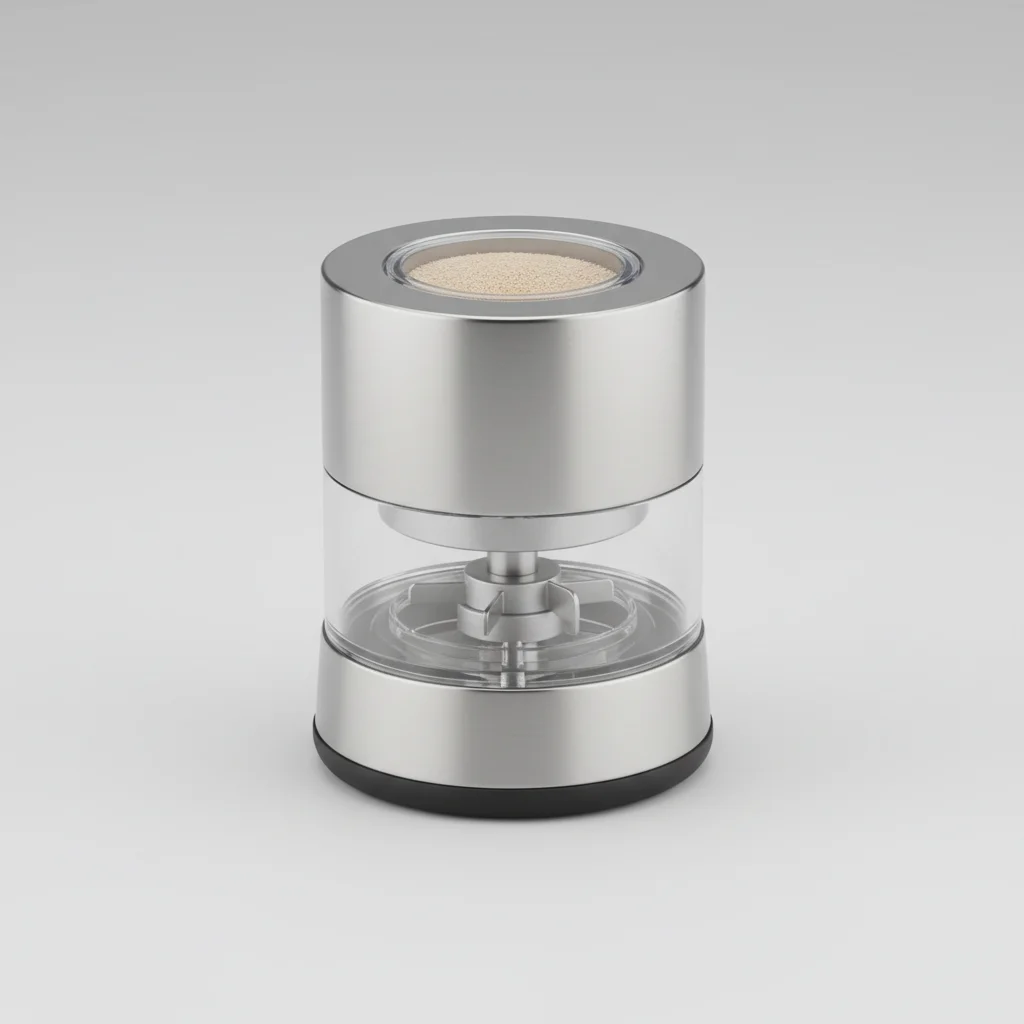
A bread maker yeast dispenser is a specialized feature designed to release yeast into the dough at the optimal moment during the baking cycle, typically after the initial mixing and kneading phases. This controlled release prevents the yeast from coming into contact with liquids and other ingredients too early, which can inhibit its activation and lead to a less effective rise. While not every bread maker includes this feature, models equipped with a yeast dispenser often produce more consistent and reliably risen loaves, especially for recipes requiring precise timing for yeast activation.
For bakers who frequently use delay timers or recipes with specific yeast requirements, a bread maker with a yeast dispenser can be a significant advantage. It ensures the yeast remains separate until the ideal time, maximizing its leavening power and contributing to a superior crumb structure and overall loaf volume. This feature is particularly beneficial for advanced bread makers and those who prioritize convenience and consistent results. For compare top home kitchen on this site.
How a Yeast Dispenser Works in a Bread Maker
The mechanism of a bread maker yeast dispenser is relatively simple yet highly effective. Typically, the yeast is loaded into a small, separate compartment located in the lid or upper part of the bread maker. During the pre-programmed cycle, usually after the initial mixing and kneading, a small door or flap opens, allowing the yeast to drop directly into the dough. This timing is crucial because it prevents premature activation of the yeast, which can occur if it sits in liquid for too long before the kneading process begins. Premature activation can exhaust the yeast’s leavening power, resulting in a dense or poorly risen loaf.
This controlled release ensures that the yeast is fresh and potent when it interacts with the other ingredients, leading to a more vigorous rise and a lighter, airier texture. It’s especially useful for recipes that include ingredients like salt, which can inhibit yeast activity if mixed directly at the start. The dispenser acts as a safeguard, optimizing the yeast’s performance for consistent baking outcomes.
Benefits of a Bread Maker with a Yeast Dispenser
The primary benefit of a bread maker with a yeast dispenser is the enhanced consistency and quality of your homemade bread. By ensuring the yeast is added at the optimal moment, you mitigate common issues such as under-risen or over-risen loaves. This precision is particularly valuable for complex recipes or when using a delay timer, as it prevents the yeast from activating too early and losing its potency before the baking cycle even begins. For example, if you set your bread maker to start baking hours later, a dispenser keeps the yeast separate from the wet ingredients until the last possible moment, preserving its effectiveness.
- Improved loaf volume and texture due to optimal yeast activation.
- Greater reliability for delay-start baking cycles.
- Reduced risk of yeast inhibition from other ingredients like salt.
- Convenience for bakers who prefer a ‘set it and forget it’ approach.
- Better results with sensitive or specialty yeast types.
Furthermore, a yeast dispenser can simplify the baking process, as you don’t need to worry about manually adding yeast at a specific point. This ‘set it and forget it’ convenience is a major draw for busy individuals who still want to enjoy fresh, homemade bread.
When a Yeast Dispenser is Most Useful
|
Our Picks for the Best Bread Maker in 2026
As an Amazon Associate I earn from qualifying purchases.
|
||
| Num | Product | Action |
|---|---|---|
| 1 | Bread Maker, 2.2LB 16-in-1 Bread Machine, Automatic Bread Maker Machine with Nonstick Ceramic Pan & 15H Timer & 1H Keep Warm for Beginner, Breadmaker with Gluten-Free, French, Yogurt, Recipe |

|
| 2 | 2LB Bread Maker Machine, OSIPOTO 17 in 1 Automatic Stainless Steel Bread Machine, Non-stick, Beginner-Friendly Controls, 15 Hour Timer, Easy to Clean Low Noise, High Success Rate for Homemade Bread |
|
| 3 | Cuisinart Bread Maker Machine, Stainless Steel Convection Bread Machine with 16 Menu Options, 3 Loaf Sizes Up to 2 Lb., 3 Crust Colors, Includes Measuring Cup, Spoon & Kneading Hook, CBK-210 |
|
| 4 | Elite Gourmet Programmable Bread Maker, 2 lb Loaf, 3 Sizes, 19 Presets incl. Gluten-Free, Dough & Jam, Delay Timer, Mint |
|
| 5 | Elite Gourmet Programmable Bread Maker, 2 lb Loaf, 3 Sizes, 19 Presets incl. Gluten-Free, Dough & Jam, Delay Timer, Black |
|
| 6 | Cuisinart Bread Maker Machine, Stainless Steel Automatic Bread Machine with 12 Menu Options, 3 Loaf Sizes up to 2 Lb., 3 Crust Colors, Removable Nonstick Baking Pan & Kneading Paddle, CBK-110NAS |
|
| 7 | MERIOR 25-IN-1 Bread Maker with Visible Lid | 2lb Automatic Machine, Auto Nut Dispenser, 13-Hour Delay Timer, One-Touch Control & Recipes – Easy Operation, High Success for Homemade Bread |
|
| 8 | 25-in-1 Bread Maker Machine with Automatic Dual Dispenser, 2LB Stainless Steel Breadmaker with Gluten-Free, Dough, Jam, Yogurt etc Settings, Silver |
|
| 9 | Rosewill 25-in-1 Automatic Bread Maker Machine with 3 Loaf Size up to 2 Lb, 700W High Power Dual Heater Bread Maker with BPA-free Nonstick Coating Pan, Max 15 Hours Delay Timer, Low Noise - Gray |
|
| 10 | Zojirushi BB-PDC20BA Home Bakery Virtuoso Plus Breadmaker, 2 lb. loaf of bread |
|
A bread maker with a yeast dispenser truly shines in specific baking scenarios. It is most useful for individuals who frequently utilize the delay timer function on their bread maker. Imagine setting your bread maker the night before to wake up to a fresh loaf in the morning; without a dispenser, the yeast would sit in the liquid for hours, potentially losing its potency. The dispenser ensures the yeast is added just before kneading begins, preserving its leavening power.
Additionally, bakers experimenting with gluten-free recipes or those using specialty flours often find a yeast dispenser beneficial. These recipes can be more sensitive to yeast activity, and precise timing can make a significant difference in the final texture and rise. For those who prioritize consistent, high-quality results with minimal fuss, especially when baking overnight or while away from home, a yeast dispenser is a feature worth considering. It removes one variable from the baking equation, leading to more predictable and satisfying outcomes.
Alternatives to a Built-in Yeast Dispenser
If your bread maker doesn’t have a built-in yeast dispenser, there are still effective ways to achieve good results, especially when using a delay timer. The most common method is to layer your ingredients carefully. Start by adding all the liquid ingredients to the bread pan, followed by the dry ingredients like flour, sugar, and salt. Create a small well in the center of the flour and add the yeast there, ensuring it doesn’t touch the liquid or salt. The goal is to keep the yeast dry and separate until the mixing cycle begins.
Another alternative is to use rapid-rise or instant yeast, which is less sensitive to direct contact with liquids and can be mixed in with the dry ingredients from the start. While these methods require a bit more attention to ingredient placement, they can still yield excellent loaves. However, for ultimate convenience and consistent results, especially with longer delay times, a dedicated yeast dispenser remains a superior feature.
Conclusion: Is a Yeast Dispenser Essential?
While not strictly essential for every home baker, a bread maker with a yeast dispenser offers distinct advantages, particularly for those who value convenience and consistent results. For bakers who frequently use delay timers, experiment with sensitive recipes, or simply want to eliminate one more variable in the bread-making process, a yeast dispenser can significantly improve the quality and reliability of their loaves. It ensures optimal yeast activation, leading to better rise, texture, and overall bread quality. Ultimately, the decision to opt for a model with this feature depends on your baking habits and priorities, but for many, the benefits of a perfectly timed yeast release are well worth the investment.
