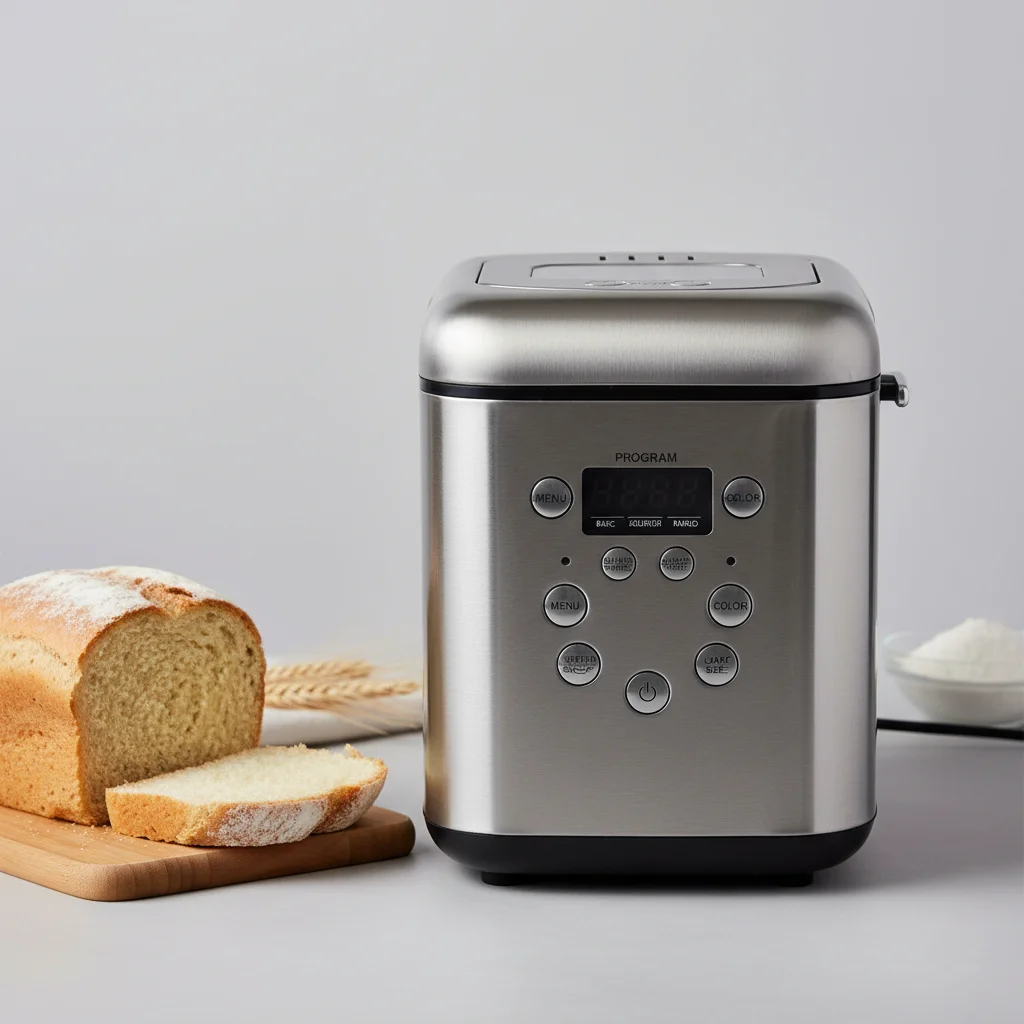
Understanding your bread maker’s settings is crucial for achieving perfect loaves every time. Most modern bread makers come equipped with a variety of pre-programmed cycles designed for different types of bread and doughs. By familiarizing yourself with these options, you can unlock the full potential of your appliance and consistently bake delicious results.
Common Bread Maker Programs Explained
The ‘Basic’ setting is the most frequently used program, suitable for white and whole wheat breads. It typically includes a kneading, rising, and baking cycle that lasts around 3-4 hours. The ‘Whole Wheat’ setting is specifically designed for breads made with 100% whole wheat flour, which requires a longer kneading time and often a longer rise to develop the gluten properly. This setting prevents dense loaves by optimizing the process for the heavier flour.
For those who enjoy a quick bake, the ‘Rapid’ or ‘Expressbake’ setting significantly shortens the baking time, often producing a loaf in under an hour. While convenient, these loaves may have a slightly different texture and crust compared to those made with longer cycles. The ‘French’ setting is tailored for light, airy loaves with a crispy crust, often involving a longer rise time and a specific baking temperature profile to achieve that classic texture.
Specialized Dough and Bake Settings
Many bread makers include a ‘Dough’ setting, which completes the kneading and first rise cycle but stops before baking. This is ideal for preparing dough for pizzas, rolls, or pastries that you intend to bake in a conventional oven. Similarly, a ‘Jam’ setting is often available, allowing you to make homemade jams and preserves directly in your bread maker, utilizing its heating element and stirring paddle.
The ‘Gluten-Free’ setting is a vital feature for individuals with dietary restrictions. Gluten-free flours behave differently than wheat flours, requiring specific kneading, rising, and baking times to prevent a crumbly or dense texture. This program adjusts these parameters to accommodate the unique properties of gluten-free ingredients, ensuring a more palatable result.
Customization and Advanced Features
|
Our Picks for the Best Bread Maker in 2026
As an Amazon Associate I earn from qualifying purchases.
|
||
| Num | Product | Action |
|---|---|---|
| 1 | Cuisinart Bread Maker Machine, Stainless Steel Convection Bread Machine with 16 Menu Options, 3 Loaf Sizes Up to 2 Lb., 3 Crust Colors, Includes Measuring Cup, Spoon & Kneading Hook, CBK-210 |

|
| 2 | Elite Gourmet Programmable Bread Maker, 2 lb Loaf, 3 Sizes, 19 Presets incl. Gluten-Free, Dough & Jam, Delay Timer, Black |
|
| 3 | Rosewill 25-in-1 Automatic Bread Maker Machine with 3 Loaf Size up to 2 Lb, 700W High Power Dual Heater Bread Maker with BPA-free Nonstick Coating Pan, Max 15 Hours Delay Timer, Low Noise - Gray |
|
| 4 | Bread Maker, 2.2LB 16-in-1 Bread Machine, Automatic Bread Maker Machine with Nonstick Ceramic Pan & 15H Timer & 1H Keep Warm for Beginner, Breadmaker with Gluten-Free, French, Yogurt, Recipe |
|
| 5 | 25-in-1 Bread Maker Machine with Automatic Dual Dispenser, 2LB Stainless Steel Breadmaker with Gluten-Free, Dough, Jam, Yogurt etc Settings, Silver |
|
| 6 | Elite Gourmet Programmable Bread Maker, 2 lb Loaf, 3 Sizes, 19 Presets incl. Gluten-Free, Dough & Jam, Delay Timer, Mint |
|
| 7 | Zojirushi BB-PDC20BA Home Bakery Virtuoso Plus Breadmaker, 2 lb. loaf of bread |
|
| 8 | MERIOR 25-IN-1 Bread Maker with Visible Lid | 2lb Automatic Machine, Auto Nut Dispenser, 13-Hour Delay Timer, One-Touch Control & Recipes – Easy Operation, High Success for Homemade Bread |
|
| 9 | Cuisinart Bread Maker Machine, Stainless Steel Automatic Bread Machine with 12 Menu Options, 3 Loaf Sizes up to 2 Lb., 3 Crust Colors, Removable Nonstick Baking Pan & Kneading Paddle, CBK-110NAS |
|
| 10 | 2LB Bread Maker Machine, OSIPOTO 17 in 1 Automatic Stainless Steel Bread Machine, Non-stick, Beginner-Friendly Controls, 15 Hour Timer, Easy to Clean Low Noise, High Success Rate for Homemade Bread |
|
Some high-end bread makers offer ‘Custom’ or ‘Homemade’ settings, allowing you to program your own cycles for kneading, rising, and baking. This level of control is perfect for experienced bakers who want to experiment with unique recipes or fine-tune existing ones. These settings often let you adjust the duration of each stage, the temperature, and even the crust darkness.
Another common feature is the ‘Delay Timer,’ which allows you to add ingredients and set the machine to start baking at a later time. This is perfect for waking up to the smell of freshly baked bread. Always be mindful of perishable ingredients when using the delay timer.
Understanding Crust and Loaf Size Options
Most bread makers provide options for crust darkness, typically light, medium, and dark. This setting adjusts the baking time and temperature during the final stages to achieve your preferred crust. Similarly, many machines allow you to select different loaf sizes, such as 1-pound, 1.5-pound, or 2-pound loaves. This adjusts the ingredient quantities and baking times accordingly, ensuring a properly baked loaf regardless of its size.
- Basic: For standard white and whole wheat breads.
- Whole Wheat: Optimized for 100% whole wheat flour.
- Rapid/Expressbake: Quick baking for faster results.
- Dough: Prepares dough for oven baking.
- Gluten-Free: Specific cycle for gluten-free flours.
Maintenance and Best Practices for Settings
To ensure your bread maker continues to perform optimally across all its settings, regular cleaning is essential. Always refer to your specific model’s manual for detailed instructions on each program, as features can vary significantly between brands. Experimenting with different settings and recipes will help you discover your favorite combinations and master the art of bread making.
