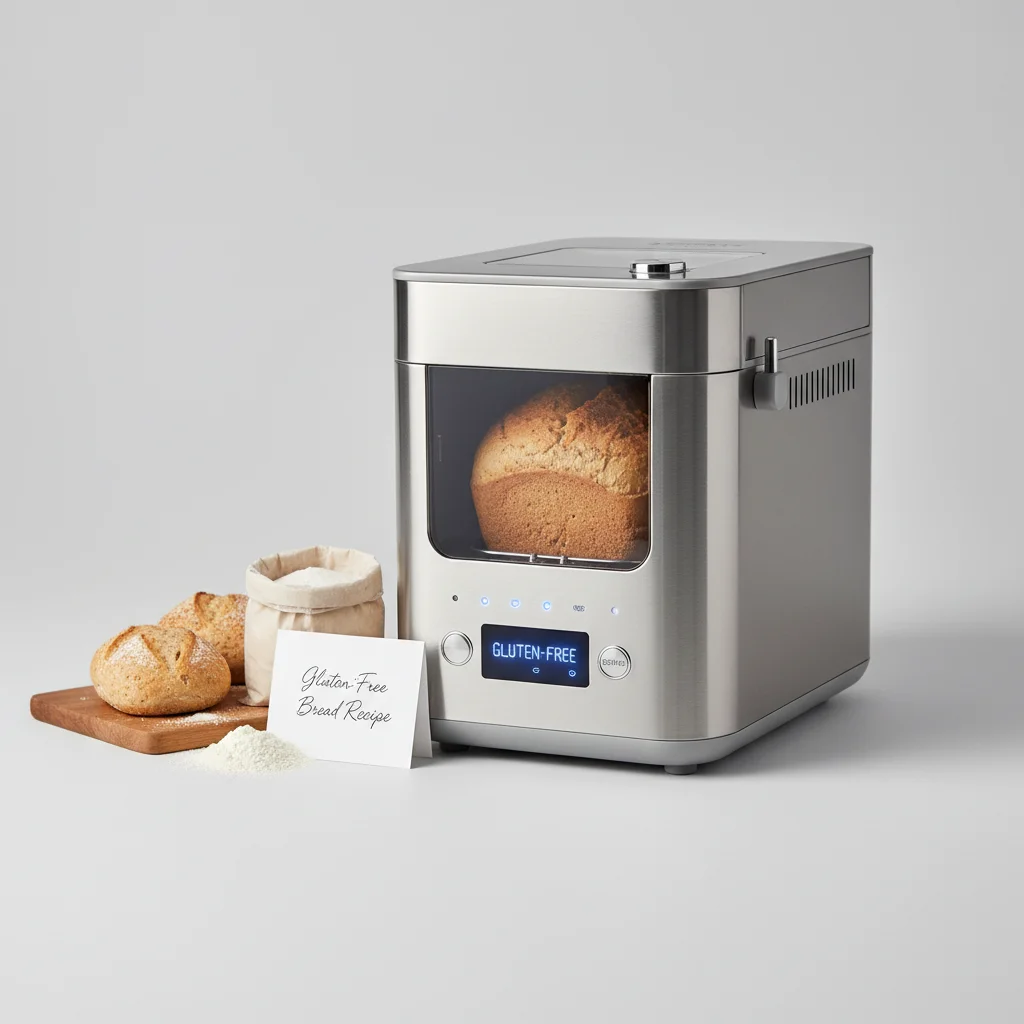
When choosing a bread maker for gluten-free baking, understanding the specific settings and features designed for these unique doughs is crucial. Gluten-free flours behave differently than traditional wheat flours, requiring longer mixing, different kneading, and often a single rise cycle. The best bread makers for gluten-free recipes offer dedicated programs that adjust these parameters to prevent dense, crumbly loaves and ensure a light, airy texture. Specifically, look for models with a dedicated ‘Gluten-Free’ cycle, adjustable crust settings, and a delay timer that can be bypassed for sensitive ingredients.
Why Dedicated Gluten-Free Cycles Matter
A dedicated gluten-free cycle on a bread maker is not just a marketing gimmick; it’s a necessity for successful gluten-free baking. These cycles typically feature a longer mixing time to thoroughly hydrate gluten-free flours and gums, which are essential for structure. They also often omit or significantly shorten the traditional second kneading and rising phases, as gluten-free doughs don’t develop gluten and can over-proof quickly. This specialized programming prevents common issues like sunken tops or overly dense textures.
Adjustable Crust Settings for Gluten-Free Loaves
Gluten-free breads can brown differently than wheat-based breads, often requiring less time or a gentler heat to achieve a desirable crust without over-baking the interior. Look for bread makers that offer multiple crust settings (light, medium, dark) to give you control over the final appearance and texture. Some advanced models even allow for custom temperature adjustments during the baking phase, which can be particularly beneficial for delicate gluten-free recipes.
The Importance of a Delay Timer Bypass
|
Our Picks for the Best Bread Maker in 2026
As an Amazon Associate I earn from qualifying purchases.
|
||
| Num | Product | Action |
|---|---|---|
| 1 | 25-in-1 Bread Maker Machine with Automatic Dual Dispenser, 2LB Stainless Steel Breadmaker with Gluten-Free, Dough, Jam, Yogurt etc Settings, Silver |

|
| 2 | Bread Maker, 2.2LB 16-in-1 Bread Machine, Automatic Bread Maker Machine with Nonstick Ceramic Pan & 15H Timer & 1H Keep Warm for Beginner, Breadmaker with Gluten-Free, French, Yogurt, Recipe |
|
| 3 | Cuisinart Bread Maker Machine, Stainless Steel Automatic Bread Machine with 12 Menu Options, 3 Loaf Sizes up to 2 Lb., 3 Crust Colors, Removable Nonstick Baking Pan & Kneading Paddle, CBK-110NAS |
|
| 4 | Elite Gourmet Programmable Bread Maker, 2 lb Loaf, 3 Sizes, 19 Presets incl. Gluten-Free, Dough & Jam, Delay Timer, Black |
|
| 5 | 2LB Bread Maker Machine, OSIPOTO 17 in 1 Automatic Stainless Steel Bread Machine, Non-stick, Beginner-Friendly Controls, 15 Hour Timer, Easy to Clean Low Noise, High Success Rate for Homemade Bread |
|
| 6 | Rosewill 25-in-1 Automatic Bread Maker Machine with 3 Loaf Size up to 2 Lb, 700W High Power Dual Heater Bread Maker with BPA-free Nonstick Coating Pan, Max 15 Hours Delay Timer, Low Noise - Gray |
|
| 7 | MERIOR 25-IN-1 Bread Maker with Visible Lid | 2lb Automatic Machine, Auto Nut Dispenser, 13-Hour Delay Timer, One-Touch Control & Recipes – Easy Operation, High Success for Homemade Bread |
|
| 8 | Zojirushi BB-PDC20BA Home Bakery Virtuoso Plus Breadmaker, 2 lb. loaf of bread |
|
| 9 | Cuisinart Bread Maker Machine, Stainless Steel Convection Bread Machine with 16 Menu Options, 3 Loaf Sizes Up to 2 Lb., 3 Crust Colors, Includes Measuring Cup, Spoon & Kneading Hook, CBK-210 |
|
| 10 | Elite Gourmet Programmable Bread Maker, 2 lb Loaf, 3 Sizes, 19 Presets incl. Gluten-Free, Dough & Jam, Delay Timer, Mint |
|
While delay timers are a convenient feature for traditional bread making, they can be problematic for gluten-free recipes. Many gluten-free flours and yeast combinations are sensitive to prolonged resting periods before baking, which can lead to over-proofing or a breakdown of the dough’s structure. A bread maker that allows you to bypass the delay timer, or one with a very short delay option, is ideal for ensuring your gluten-free ingredients are mixed and baked promptly after activation.
Key Features for Optimal Gluten-Free Results
- Dedicated ‘Gluten-Free’ program with optimized mixing and rising times.
- Multiple crust settings (light, medium, dark) for precise browning control.
- Option to bypass or shorten the delay timer for sensitive ingredients.
- Non-stick bread pan for easy loaf removal.
- Recipe booklet with tested gluten-free recipes.
Choosing a bread maker with these specific gluten-free settings will significantly improve your success rate and the quality of your homemade gluten-free breads. It takes the guesswork out of adapting recipes and ensures your appliance is working with, not against, the unique properties of gluten-free flours.
Understanding Gluten-Free Flour Blends
The success of gluten-free baking in a bread maker also hinges on the quality and type of flour blend you use. Many commercial gluten-free bread flours are formulated with a mix of rice flour, tapioca starch, potato starch, and xanthan gum to mimic the properties of wheat flour. Experimenting with different blends can yield varying results in terms of texture and flavor. Always follow the specific instructions for your chosen flour blend, as hydration levels can differ significantly.
Maintenance Tips for Gluten-Free Baking
To ensure consistent results, keep your bread maker clean, especially the paddle and pan. Residue from previous bakes can affect the texture and rise of gluten-free doughs. Regularly check the non-stick coating of your bread pan for any scratches, as this can cause loaves to stick and tear. Using parchment paper or a light coating of oil can also help with easy removal of delicate gluten-free breads.
