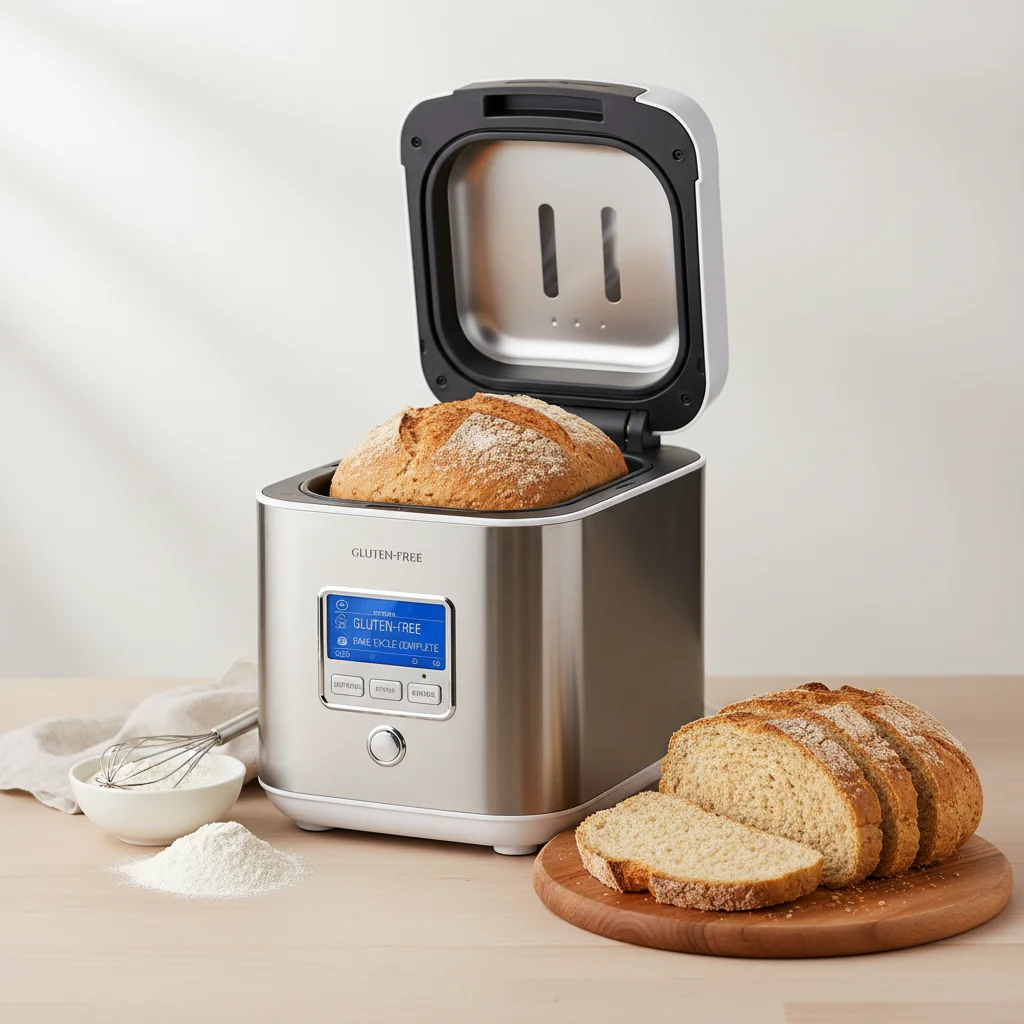
Many modern bread makers boast dedicated gluten-free settings, promising perfectly baked loaves without the gluten. But do these specialized cycles truly deliver on their promise, or are they just a marketing gimmick? The short answer is yes, they can work exceptionally well, but success hinges on understanding how these settings differ from standard cycles and pairing them with appropriate recipes and ingredients. A good gluten-free setting typically adjusts kneading time, rise time, and baking temperature to accommodate the unique properties of gluten-free flours, which lack the elastic structure of wheat.
Understanding Gluten-Free Cycles
Gluten-free bread requires a different approach than traditional wheat-based bread. Without gluten to provide structure, the dough is often stickier and more delicate. A bread maker’s gluten-free setting is designed to minimize kneading, which can overwork gluten-free dough and lead to a dense texture. It also often includes a longer, gentler rise time to allow the yeast to work effectively without the support of gluten. Finally, the baking temperature and duration are typically optimized to ensure a thorough bake without drying out the loaf, which is a common challenge with gluten-free recipes. For best home kitchen roundups on this site.
Key Features to Look For
When evaluating bread makers for their gluten-free capabilities, several features stand out. Look for models that explicitly state a dedicated gluten-free program, not just a basic or rapid bake setting. Some advanced machines offer customizable programs, allowing you to fine-tune kneading, rising, and baking phases, which can be invaluable for experimenting with different gluten-free flour blends. A non-stick bread pan is also crucial, as gluten-free dough can be particularly prone to sticking. Consider models with a fruit and nut dispenser if you enjoy adding inclusions, as this prevents them from being over-mixed during the delicate gluten-free cycle.
- Dedicated gluten-free program
- Customizable cycle options
- Non-stick bread pan
- Automatic fruit/nut dispenser
- Clear instruction manual with gluten-free recipes
Tips for Successful Gluten-Free Baking
|
Our Picks for the Best Bread Maker in 2026
As an Amazon Associate I earn from qualifying purchases.
|
||
| Num | Product | Action |
|---|---|---|
| 1 | Elite Gourmet Programmable Bread Maker, 2 lb Loaf, 3 Sizes, 19 Presets incl. Gluten-Free, Dough & Jam, Delay Timer, Black |

|
| 2 | Rosewill 25-in-1 Automatic Bread Maker Machine with 3 Loaf Size up to 2 Lb, 700W High Power Dual Heater Bread Maker with BPA-free Nonstick Coating Pan, Max 15 Hours Delay Timer, Low Noise - Gray |
|
| 3 | Zojirushi BB-PDC20BA Home Bakery Virtuoso Plus Breadmaker, 2 lb. loaf of bread |
|
| 4 | 25-in-1 Bread Maker Machine with Automatic Dual Dispenser, 2LB Stainless Steel Breadmaker with Gluten-Free, Dough, Jam, Yogurt etc Settings, Silver |
|
| 5 | Cuisinart Bread Maker Machine, Stainless Steel Automatic Bread Machine with 12 Menu Options, 3 Loaf Sizes up to 2 Lb., 3 Crust Colors, Removable Nonstick Baking Pan & Kneading Paddle, CBK-110NAS |
|
| 6 | 2LB Bread Maker Machine, OSIPOTO 17 in 1 Automatic Stainless Steel Bread Machine, Non-stick, Beginner-Friendly Controls, 15 Hour Timer, Easy to Clean Low Noise, High Success Rate for Homemade Bread |
|
| 7 | Bread Maker, 2.2LB 16-in-1 Bread Machine, Automatic Bread Maker Machine with Nonstick Ceramic Pan & 15H Timer & 1H Keep Warm for Beginner, Breadmaker with Gluten-Free, French, Yogurt, Recipe |
|
| 8 | MERIOR 25-IN-1 Bread Maker with Visible Lid | 2lb Automatic Machine, Auto Nut Dispenser, 13-Hour Delay Timer, One-Touch Control & Recipes – Easy Operation, High Success for Homemade Bread |
|
| 9 | Elite Gourmet Programmable Bread Maker, 2 lb Loaf, 3 Sizes, 19 Presets incl. Gluten-Free, Dough & Jam, Delay Timer, Mint |
|
| 10 | Cuisinart Bread Maker Machine, Stainless Steel Convection Bread Machine with 16 Menu Options, 3 Loaf Sizes Up to 2 Lb., 3 Crust Colors, Includes Measuring Cup, Spoon & Kneading Hook, CBK-210 |
|
Even with a bread maker designed for gluten-free baking, success often comes down to technique and ingredients. Always use fresh, high-quality gluten-free flours and starches. Many successful gluten-free recipes call for a blend of flours (e.g., rice flour, tapioca starch, potato starch) to achieve the best texture. Xanthan gum or guar gum is almost always necessary to provide structure that gluten would otherwise offer. Measure ingredients precisely, preferably by weight, as small variations can significantly impact the outcome. Ensure all ingredients are at room temperature before adding them to the bread maker.
Common Challenges and Solutions
One common issue with gluten-free bread from a bread maker is a dense or gummy texture. This can often be remedied by reducing the amount of liquid slightly or increasing the leavening agent (yeast). Another challenge is a crumbly loaf; this might indicate too little liquid or an imbalance in your flour blend. If your loaf collapses, it could be due to too much yeast, too much liquid, or an insufficient amount of a binder like xanthan gum. Experimentation is key, and keeping a baking journal can help you track what works and what doesn’t.
Recommended Bread Makers for Gluten-Free Baking
Several bread makers consistently receive high marks for their gluten-free performance. Brands like Zojirushi, Breville, and Panasonic often feature robust gluten-free settings that yield excellent results. These models typically offer precise temperature control and well-engineered kneading paddles that handle the unique consistency of gluten-free dough effectively. Always check user reviews specifically for gluten-free baking experiences before making a purchase. A good gluten-free bread maker can transform your ability to enjoy fresh, homemade bread, even with dietary restrictions.
